
piuí-boreal vs abert's towhee
Contopus cooperi versus Melozone aberti
Jogue um quiz com piuí-boreal e abert's towhee
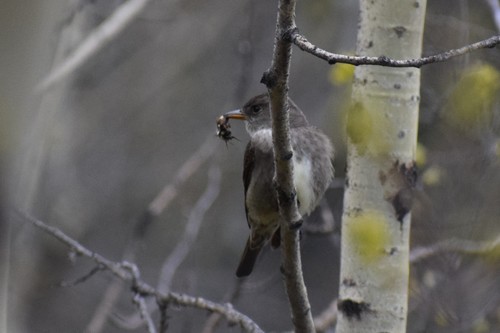 piuí-boreal
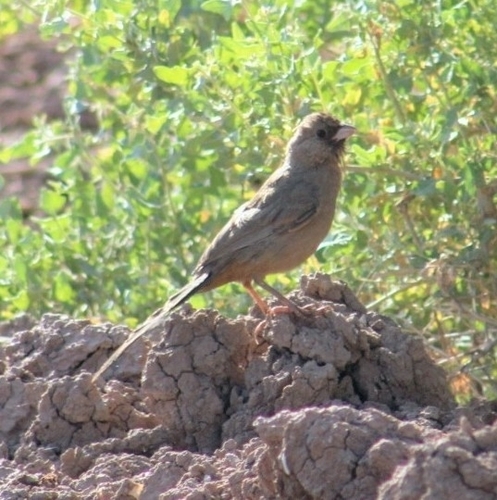 abert's towhee
Em resumo
O piuí-boreal e o abert's towhee são facilmente distinguidos por seu comportamento e preferências de habitat. O piuí-boreal é um insetívoro que se empoleira e caça, enquanto o abert's towhee é um forrageador no chão. Sua plumagem e vocalizações também diferem significativamente.
Dicas de identificação
1. Comportamento: Procure o piuí-boreal empoleirado alto, caçando insetos, em contraste com o abert's towhee no chão, procurando comida. 2. Plumagem: Note as manchas brancas na região do rabo do piuí-boreal e sua plumagem mais escura em comparação com o marrom uniforme do abert's towhee. 3. Habitat: Considere o habitat; o piuí-boreal prefere florestas abertas, enquanto o abert's towhee é encontrado em áreas densas e arbustivas.
Plumagem
O piuí-boreal tem uma aparência mais aerodinâmica com uma plumagem mais escura e de tom oliva, além de uma mancha branca distinta nas laterais do rabo. O abert's towhee é mais robusto, com uma coloração marrom mais uniforme e não possui a mancha branca na região do rabo.
Comportamento
O piuí-boreal se empoleira alto e sai para pegar insetos em voo. Em contraste, o abert's towhee passa a maior parte do tempo no chão, procurando insetos e sementes.
Habitat
O piuí-boreal é tipicamente encontrado em florestas abertas e bordas, frequentemente perto da água. O abert's towhee prefere habitats densos e arbustivos e áreas suburbanas, frequentemente perto do chão.
Voz
O piuí-boreal é conhecido por sua canção alta e clara 'quick, three beers'. O abert's towhee tem um dueto característico de gritos usado por pares, especialmente durante a temporada de reprodução.