
Moucherolle à côtés olive vs Tohi d'Abert
Contopus cooperi contre Melozone aberti
Faire un quiz avec Moucherolle à côtés olive et Tohi d'Abert
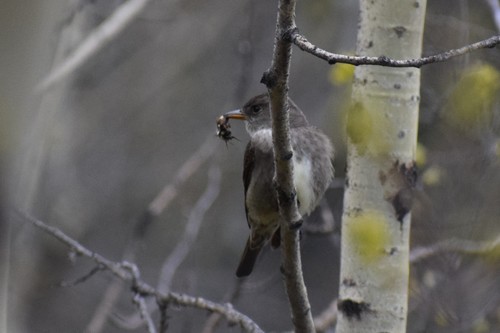 Moucherolle à côtés olive
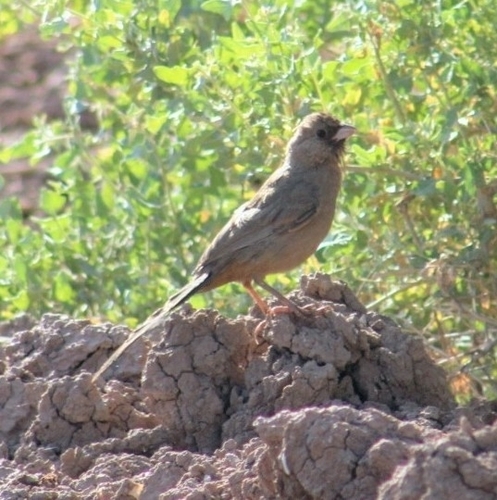 Tohi d'Abert
En bref
Le Moucherolle à côtés olive et le Tohi d'Abert se distinguent facilement par leur comportement et leurs préférences d'habitat. Le Moucherolle à côtés olive est un insectivore qui se perche et s'élance, tandis que le Tohi d'Abert est un chercheur de nourriture au sol. Leur plumage et leurs vocalisations diffèrent également de manière significative.
Conseils d’identification
1. Comportement : Cherchez le Moucherolle à côtés olive perché haut, s'élançant pour attraper des insectes, contre le Tohi d'Abert au sol grattant pour de la nourriture. 2. Plumage : Notez les taches blanches sur le croupion du Moucherolle à côtés olive et son plumage plus foncé par rapport au brun uniforme du Tohi d'Abert. 3. Habitat : Considérez l'habitat ; le Moucherolle à côtés olive préfère les forêts ouvertes, tandis que le Tohi d'Abert se trouve dans des zones denses et broussailleuses.
Plumage
Le Moucherolle à côtés olive a une apparence plus élancée avec un plumage plus foncé, de teinte olive, et une tache blanche distinctive sur les côtés du croupion. Le Tohi d'Abert est plus massif, avec une coloration brunâtre plus uniforme et manque de la tache blanche sur le croupion.
Comportement
Le Moucherolle à côtés olive se perche haut et s'élance pour attraper des insectes en vol. En revanche, le Tohi d'Abert passe la plupart de son temps au sol, grattant pour des insectes et des graines.
Habitat
Le Moucherolle à côtés olive se trouve généralement dans des forêts ouvertes et en lisière, souvent près de l'eau. Le Tohi d'Abert préfère les habitats denses et broussailleux et les zones suburbaines, souvent près du sol.
Voix
Le Moucherolle à côtés olive est connu pour sa chanson forte et claire 'quick, three beers'. Le Tohi d'Abert a un duo de couinements distinctif utilisé par les couples, surtout pendant la saison de reproduction.
Moucherolle à côtés olive · Tohi d'Abert · Mes oiseaux difficiles