
Gaviota Picofina vs Gaviota Guanaguanare
Chroicocephalus genei frente a Leucophaeus atricilla
Juega un quiz con Gaviota Picofina y Gaviota Guanaguanare
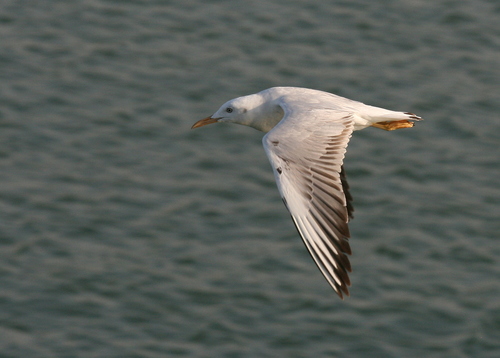 Gaviota Picofina
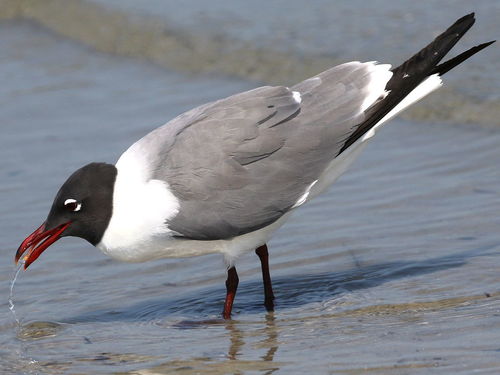 Gaviota Guanaguanare
En breve
La Gaviota Picofina y la Gaviota Guanaguanare se pueden distinguir por la forma de su pico y la coloración de su cabeza. La Gaviota Picofina tiene un pico notablemente delgado y alargado, mientras que la Gaviota Guanaguanare presenta una capucha negra durante la temporada de cría. Estas características son clave al observar estas especies en el campo.
Consejos de identificación
- Busca el pico delgado y alargado de la Gaviota Picofina.
- Durante la temporada de cría, verifica la capucha negra en la Gaviota Guanaguanare.
- Observa los mantos gris oscuro y los crespones oculares blancos en la Gaviota Guanaguanare.
Plumaje
La Gaviota Guanaguanare tiene una distintiva capucha negra en la temporada de cría, mientras que la Gaviota Picofina carece de esta característica. La Gaviota Guanaguanare también tiene mantos gris oscuro y estrechos crespones oculares blancos, que no están presentes en la Gaviota Picofina.
Comportamiento
Las Gaviotas Guanaguanare son conocidas por su vuelo ligero y flotante, y a menudo se las ve alrededor de actividades humanas, como picnics y barcos de pesca. El comportamiento de la Gaviota Picofina no está detallado en las notas.
Hábitat
Las Gaviotas Guanaguanare se encuentran comúnmente a lo largo de las costas atlántica y del Golfo de América del Norte, así como en las costas del Caribe y del Pacífico de México. El hábitat de la Gaviota Picofina no está especificado en las notas.
Voz
La Gaviota Guanaguanare es conocida por su canto melodioso y risueño, que es un sonido familiar a lo largo de sus hábitats costeros. No se proporciona información sobre la vocalización de la Gaviota Picofina.
Gaviota Picofina · Gaviota Guanaguanare · Mis aves difíciles