
Abejaruco Frentiblanco vs Alondra Piquilarga
Merops bullockoides frente a Certhilauda subcoronata
Juega un quiz con Abejaruco Frentiblanco y Alondra Piquilarga
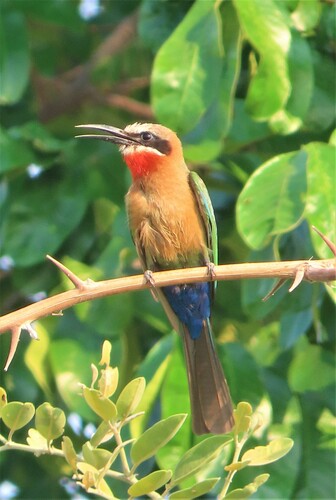 Abejaruco Frentiblanco
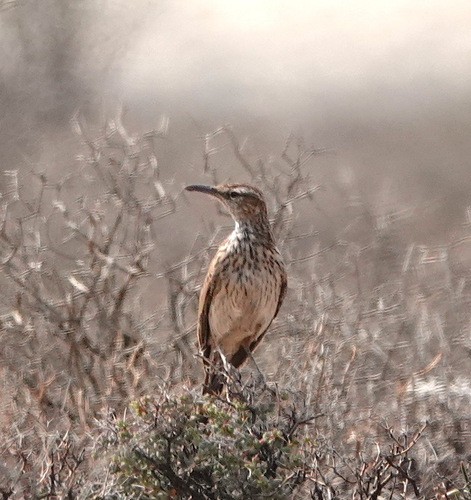 Alondra Piquilarga
En breve
El Abejaruco Frentiblanco y la Alondra Piquilarga se distinguen fácilmente por su hábitat y plumaje. El abejaruco es colorido con distintivas marcas blancas y verdes, mientras que la alondra es más sobria con tonos arenosos-rufos y estrías. Ocupan hábitats diferentes, con el abejaruco favoreciendo bosques abiertos y la alondra prefiriendo matorrales áridos.
Consejos de identificación
1. Hábitat: Observa el entorno; los abejarucos están en bosques abiertos, las alondras en matorrales áridos. 2. Plumaje: Busca los colores brillantes del abejaruco frente a la apariencia arenosa y estriada de la alondra. 3. Supercilio: Nota el supercilio blanquecino y el anillo ocular de la alondra, ausente en el abejaruco.
Plumaje
El Abejaruco Frentiblanco es de colores brillantes con una frente blanca y partes superiores verdes, contrastando con las partes superiores arenosas-rufas de la Alondra Piquilarga y su apariencia estriada. La alondra tiene un supercilio blanquecino y un anillo ocular, y sus partes inferiores son principalmente blanquecinas con manchas y estrías marrón oscuro.
Hábitat
Los Abejarucos Frentiblancos se encuentran típicamente en bosques abiertos, mientras que las Alondras Piquilargas habitan matorrales enanos y herbáceos en llanuras pedregosas y crestas rocosas.
Abejaruco Frentiblanco · Alondra Piquilarga · Mis aves difíciles