
white-fronted bee-eater vs karoo long-billed lark
Merops bullockoides versus Certhilauda subcoronata
Jogue um quiz com white-fronted bee-eater e karoo long-billed lark
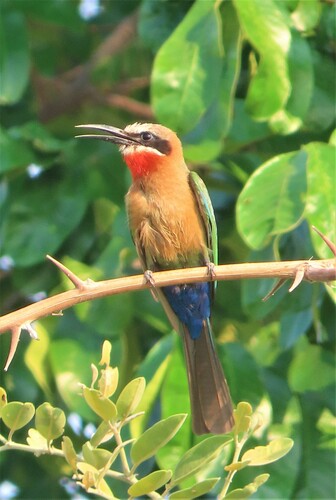 white-fronted bee-eater
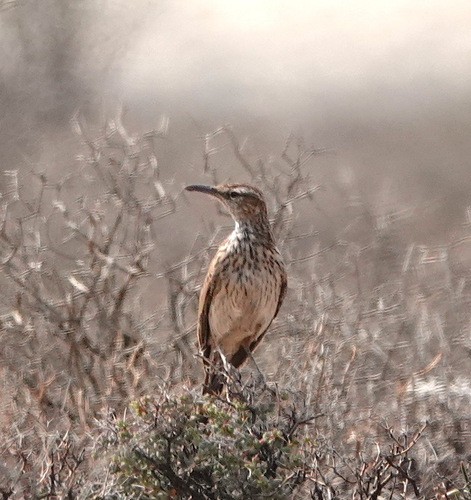 karoo long-billed lark
Em resumo
O white-fronted bee-eater e o karoo long-billed lark são facilmente distinguidos pelo seu habitat e plumagem. O bee-eater é colorido, com marcas brancas e verdes distintas, enquanto o lark é mais sóbrio, com tons arenosos-rufos e listras. Eles ocupam habitats diferentes, com o bee-eater preferindo florestas abertas e o lark preferindo arbustos áridos.
Dicas de identificação
1. Habitat: Observe o ambiente; os bee-eaters estão em florestas abertas, os larks em arbustos áridos. 2. Plumagem: Procure as cores brilhantes do bee-eater em contraste com a aparência arenosa e listrada do lark. 3. Supercílio: Note o supercílio e o anel ocular brancos do lark, ausentes no bee-eater.
Plumagem
O white-fronted bee-eater é brilhantemente colorido, com uma testa branca e partes superiores verdes, contrastando com as partes superiores arenosas-rufas do karoo long-billed lark e sua aparência listrada. O lark tem um supercílio e anel ocular esbranquiçados, e suas partes inferiores são principalmente esbranquiçadas com manchas e listras marrons escuras.
Habitat
Os white-fronted bee-eaters são tipicamente encontrados em florestas abertas, enquanto os karoo long-billed larks habitam arbustos anões e gramíneos em planícies pedregosas e cristas rochosas.
white-fronted bee-eater · karoo long-billed lark · Minhas aves difíceis