
White-fronted Bee-eater vs Karoo Long-billed Lark
Merops bullockoides contro Certhilauda subcoronata
Fai un quiz con White-fronted Bee-eater e Karoo Long-billed Lark
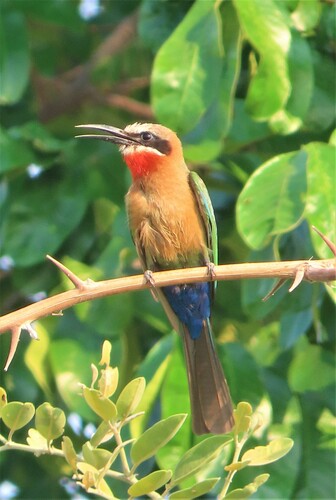 White-fronted Bee-eater
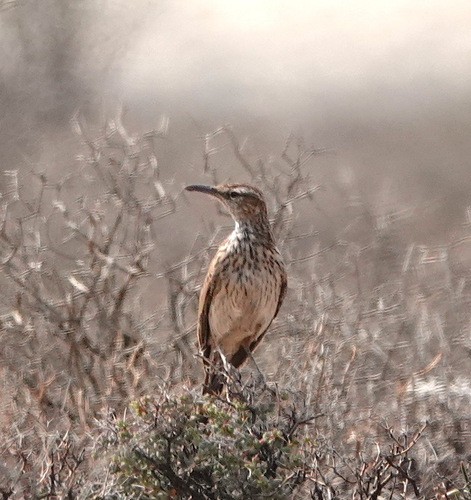 Karoo Long-billed Lark
In breve
Il White-fronted Bee-eater e il Karoo Long-billed Lark sono facilmente distinguibili per il loro habitat e il piumaggio. Il bee-eater è colorato con distintive marcature bianche e verdi, mentre il lark è più sobrio con toni sabbiosi-rufous e striature. Occupano habitat diversi, con il bee-eater che preferisce boschi aperti e il lark che predilige arbusti aridi.
Consigli di identificazione
1. Habitat: Osserva l'ambiente; i bee-eater si trovano in boschi aperti, i lark in arbusti aridi. 2. Plumage: Cerca i colori vivaci del bee-eater rispetto all'aspetto sabbioso e striato del lark. 3. Supercilium: Nota il supercilium biancastro e l'anello oculare del lark, assente nel bee-eater.
Piumaggio
Il White-fronted Bee-eater è vivacemente colorato con una fronte bianca e parti superiori verdi, in contrasto con le parti superiori sabbiose-rufous del Karoo Long-billed Lark e il suo aspetto striato. Il lark ha un supercilium biancastro e un anello oculare, e le sue parti inferiori sono principalmente bianche con macchie e striature marrone scuro.
Habitat
I White-fronted Bee-eater si trovano tipicamente in boschi aperti, mentre i Karoo Long-billed Lark abitano arbusti nani e erbosi su pianure rocciose e creste rocciose.
White-fronted Bee-eater · Karoo Long-billed Lark · I miei uccelli difficili