
Mosquero Ventriamarillo vs Reinita Culiparda
Empidonax flaviventris frente a Myiothlypis fulvicauda
Juega un quiz con Mosquero Ventriamarillo y Reinita Culiparda
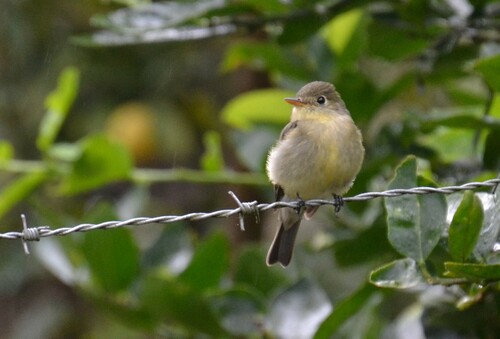 Mosquero Ventriamarillo
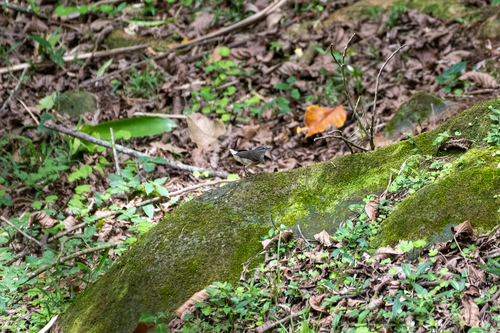 Reinita Culiparda
En breve
El Mosquero Ventriamarillo y la Reinita Culiparda son distintos tanto en apariencia como en comportamiento. El mosquero es más esquivo y a menudo se escucha más que se ve, mientras que la reinita es más visible con su distintivo trasero pardo. Sus hábitats también difieren significativamente, lo que ayuda en la identificación.
Consejos de identificación
Busca el trasero pardo en la Reinita Culiparda, que es una característica clave de distinción. Nota el hábitat: los mosqueros están en bosques musgosos, mientras que las reinitas están cerca de las orillas de los ríos. Escucha la suave voz del mosquero, aunque puede confundirse con otras especies.
Plumaje
El Mosquero Ventriamarillo se mezcla bien con los bosques musgosos, mientras que la Reinita Culiparda tiene un distintivo trasero de color pardo que destaca contra su plumaje, que es más sutil.
Comportamiento
El Mosquero Ventriamarillo es notoriamente recluso y a menudo se escucha más que se ve, mientras que la Reinita Culiparda es más propensa a ser observada forrajeando activamente.
Hábitat
El Mosquero Ventriamarillo se encuentra en bosques musgosos durante su corta estancia veraniega, mientras que la Reinita Culiparda se asocia típicamente con las orillas de los ríos y otros hábitats similares.
Voz
El Mosquero Ventriamarillo tiene una voz suave que puede confundirse fácilmente con otras especies, mientras que no se proporciona información específica sobre la vocalización de la Reinita Culiparda.
Mosquero Ventriamarillo · Reinita Culiparda · Mis aves difíciles