
yellow-bellied flycatcher vs pula-pula-de-cauda-avermelhada
Empidonax flaviventris versus Myiothlypis fulvicauda
Jogue um quiz com yellow-bellied flycatcher e pula-pula-de-cauda-avermelhada
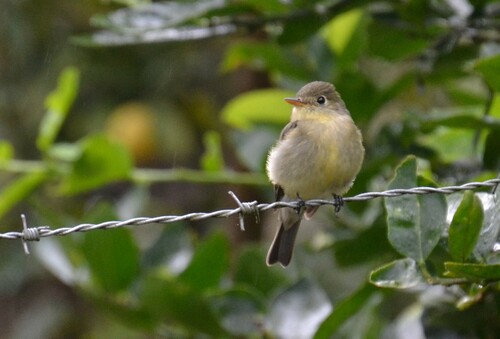 yellow-bellied flycatcher
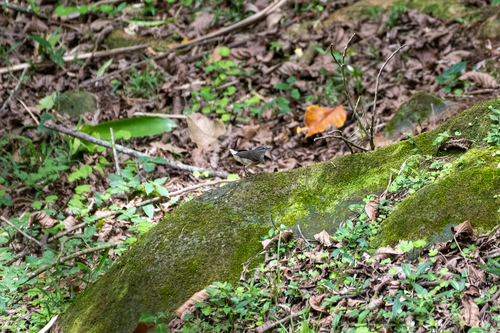 pula-pula-de-cauda-avermelhada
Em resumo
O yellow-bellied flycatcher e o pula-pula-de-cauda-avermelhada são distintos tanto em aparência quanto em comportamento. O flycatcher é mais esquivo e frequentemente ouvido em vez de visto, enquanto o warbler é mais visível com seu distinto rabo avermelhado. Seus habitats também diferem significativamente, ajudando na identificação.
Dicas de identificação
Procure pelo rabo avermelhado no pula-pula-de-cauda-avermelhada, que é uma característica distintiva. Note o habitat: flycatchers estão em florestas musgosas, enquanto warblers estão perto de margens de rios. Ouça a voz suave do flycatcher, embora possa ser confundida com outras espécies.
Plumagem
O yellow-bellied flycatcher se mistura bem com florestas musgosas, enquanto o pula-pula-de-cauda-avermelhada tem um rabo de cor avermelhada que se destaca contra sua plumagem mais sutil.
Comportamento
O yellow-bellied flycatcher é notoriamente recluso e frequentemente ouvido mais do que visto, enquanto o pula-pula-de-cauda-avermelhada é mais propenso a ser observado forrageando ativamente.
Habitat
O yellow-bellied flycatcher é encontrado em florestas musgosas durante sua curta estadia de verão, enquanto o pula-pula-de-cauda-avermelhada está tipicamente associado a margens de rios e outros habitats semelhantes.
Voz
O yellow-bellied flycatcher tem uma voz suave que pode ser facilmente confundida com outras espécies, enquanto não há informações específicas de vocalização fornecidas para o pula-pula-de-cauda-avermelhada.
yellow-bellied flycatcher · pula-pula-de-cauda-avermelhada · Minhas aves difíceis