
Yellow-bellied Flycatcher vs Buff-rumped Warbler
Empidonax flaviventris contro Myiothlypis fulvicauda
Fai un quiz con Yellow-bellied Flycatcher e Buff-rumped Warbler
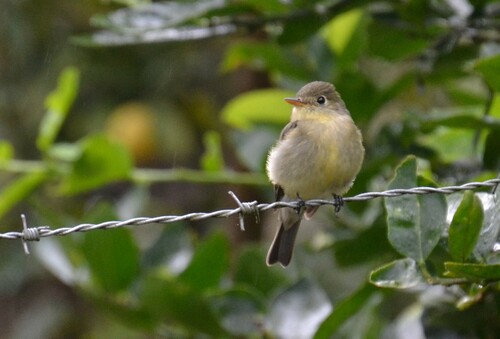 Yellow-bellied Flycatcher
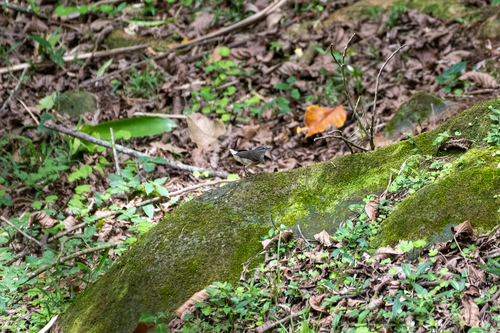 Buff-rumped Warbler
In breve
Il Yellow-bellied Flycatcher e il Buff-rumped Warbler sono distinti sia nell'aspetto che nel comportamento. Il flycatcher è più elusivo e spesso si sente piuttosto che si vede, mentre il warbler è più visibile con il suo distintivo posteriore buff. I loro habitat differiscono anche significativamente, facilitando l'identificazione.
Consigli di identificazione
Cerca il posteriore buff sul Buff-rumped Warbler, che è una caratteristica distintiva chiave. Nota l'habitat: i flycatchers si trovano in foreste muschiose, mentre i warblers sono vicino alle rive dei fiumi. Ascolta la voce morbida del flycatcher, anche se potrebbe essere confusa con altre specie.
Piumaggio
Il Yellow-bellied Flycatcher si fonde bene con le foreste muschiose di muschio, mentre il Buff-rumped Warbler ha un distintivo posteriore di colore buff che spicca contro il suo piumaggio altrimenti più sobrio.
Comportamento
Il Yellow-bellied Flycatcher è notoriamente riservato e spesso si sente più che si vede, mentre il Buff-rumped Warbler è più probabile che venga osservato mentre cerca attivamente cibo.
Habitat
Il Yellow-bellied Flycatcher si trova nelle foreste muschiose di muschio durante il suo breve soggiorno estivo, mentre il Buff-rumped Warbler è tipicamente associato alle rive dei fiumi e ad altri habitat simili.
Voce
Il Yellow-bellied Flycatcher ha una voce morbida che può essere facilmente confusa con altre specie, mentre non sono fornite informazioni specifiche sulla vocalizzazione per il Buff-rumped Warbler.
Yellow-bellied Flycatcher · Buff-rumped Warbler · I miei uccelli difficili