
Tangara Goliamarilla vs Tangara Coroninegra
Iridosornis analis frente a Stilpnia heinei
Juega un quiz con Tangara Goliamarilla y Tangara Coroninegra
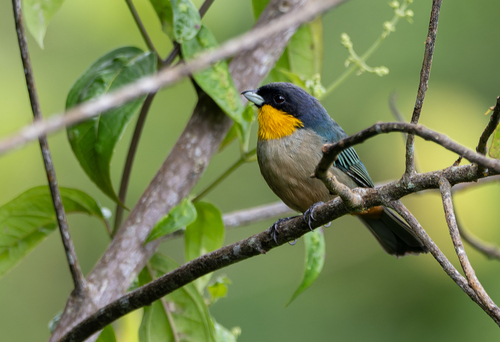 Tangara Goliamarilla
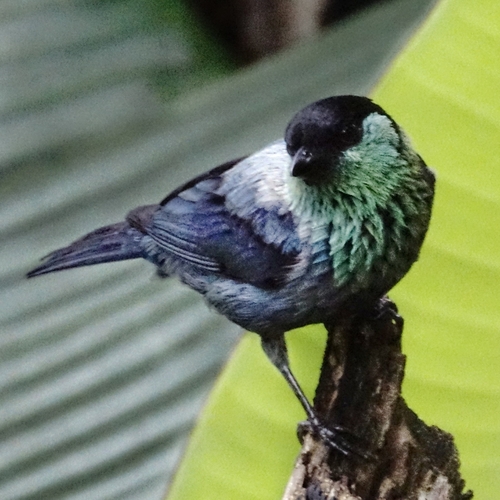 Tangara Coroninegra
En breve
La marca de campo más confiable para separar la Tangara Goliamarilla de la Tangara Coroninegra es la presencia de una garganta amarilla brillante en la primera, frente a la garganta verde o verde escamosa de la segunda. Las Tangaras Coroninegras juveniles y hembras pueden ser especialmente confusas, ya que carecen de la gorra negra del macho y tienen una apariencia generalmente verdosa, pero nunca muestran una garganta amarilla. En todas las edades y sexos, la Tangara Coroninegra muestra un efecto distintivo escamoso o estriado en la garganta y el pecho debido a las bases de plumas oscuras, mientras que la Tangara Goliamarilla tiene una garganta amarilla más uniforme. Ambas especies ocurren en hábitats montanos andinos similares, pero diferencias sutiles en la estructura y el patrón de las alas pueden ayudar en casos difíciles, especialmente con aves inmaduras.
Consejos de identificación
- La garganta amarilla es diagnóstica: Cualquier ave con una garganta amarilla brillante en este grupo es una Tangara Goliamarilla, independientemente de la edad o el sexo. La Tangara Coroninegra nunca muestra una garganta amarilla; su garganta es verde o aquamarina verde con un aspecto escamoso o estriado.
- Garganta y pecho escamosos/estriados (Coroninegra): Busca el efecto distintivo escamoso o estriado en la garganta y el pecho de la Tangara Coroninegra, causado por las bases de plumas oscuras. Esto es visible en todas las edades y sexos, pero más notable en los machos.
- Gorra negra (macho Coroninegra): Las Tangaras Coroninegras machos adultas tienen una corona negra que se extiende hasta las loretes, la frente y la parte superior de la nuca, claramente separada de las partes superiores gris azulado plateadas. La Tangara Goliamarilla carece de esta gorra.
- Confusión hembra/inmadura: Las Tangaras Coroninegras hembras e inmaduras carecen de la corona negra y son en general de un verde apagado con una garganta escamosa verde. Pueden confundirse con otras tangaras verdosas, pero nunca muestran una garganta amarilla.
- Patrón de ala superior (Coroninegra): En vuelo o en reposo, la Tangara Coroninegra muestra cobertoras de ala superior gris azulado o verdosas, con cobertoras primarias y terciarias bordeadas de azul o verde. Los machos juveniles pueden mostrar un borde azul pálido en las primarias. La Tangara Goliamarilla no muestra estos patrones específicos de alas.
- Tamaño y volumen: La Tangara Goliamarilla es más pesada y puede parecer más robusta que la Coroninegra, que es más ligera y ligeramente más corta. Esto es sutil y se utiliza mejor como evidencia de apoyo.
- Contexto de hábitat: Si el ave se ve en hábitats muy abiertos, arbustivos o de borde dentro de las montañas, es más probable que sea una Tangara Coroninegra. La Tangara Goliamarilla es más típica de bosques montanos densos.
- Comportamiento: Las Tangaras Coroninegras pueden verse escondiéndose bajo ramas o dentro de arbustos, a menudo solas o en parejas. La Tangara Goliamarilla es más propensa a estar activa en bandadas mixtas en el dosel.
- Cobertoras de la cola (Coroninegra): La Tangara Coroninegra tiene cobertoras de la cola con centros oscuros y bordes blancos anchos, una característica sutil pero potencialmente útil a corta distancia. No se describe tal patrón para la Tangara Goliamarilla.
- Diferencias de sexo (Coroninegra): Los machos son más contrastantes con una gorra negra y un dorso azul plateado; las hembras son más apagadas y verdosas. Ambos sexos siempre tienen una garganta verde o verde aquamarina, nunca amarilla.
- Confusión juvenil: Las Tangaras Coroninegras juveniles se asemejan a hembras apagadas, pero pueden mostrar un borde azul pálido en las primarias. Las juveniles de la Tangara Goliamarilla no se detallan, pero cualquier ave con garganta amarilla no es una Coroninegra.
- Canto (Coroninegra): Si escuchas un canto grave de hasta 10 segundos desde un alto posadero, es probable que sea una Tangara Coroninegra. El canto de la Tangara Goliamarilla no se describe, así que no uses esto como única evidencia.
- Superposición geográfica: Ambas especies ocurren en Colombia y Ecuador. Si está en Venezuela, es una Coroninegra; si está en Perú, es una Goliamarilla.
- Comparación con especies similares: La Tangara Coroninegra puede parecerse a las Tangaras de Espalda Plateada y de Lentejuelas, pero estas tienen diferentes patrones de garganta y corona. La Tangara Goliamarilla es poco probable que se confunda con estas debido a su garganta amarilla.
- Enfoque de lista de verificación: Siempre verifica primero el color de la garganta, luego busca el color de la corona y el efecto escamoso en el pecho. Usa el hábitat y el comportamiento como pistas de apoyo, y ten cuidado con hembras apagadas e inmaduras: el color de la garganta sigue siendo la mejor marca.
Tamaño
La Tangara Goliamarilla es más pesada, con una masa corporal de aproximadamente 26 g [wikidata], mientras que la Tangara Coroninegra es más pequeña y ligera (18–20 g para adultos, según Wikipedia). Esta diferencia es sutil en el campo, pero la Tangara Goliamarilla puede parecer ligeramente más robusta y robusta, especialmente cuando se ve lado a lado. Ambas son tangaras de tamaño mediano, pero la Tangara Coroninegra es un poco más corta en longitud (alrededor de 13 cm).
Plumaje
-
Aves Juveniles e Inmaduras: Las Tangaras Coroninegras en plumaje juvenil e inmaduro se asemejan a hembras más apagadas, con partes superiores verdosas y una garganta y pecho escamosos verdes. Los machos juveniles pueden mostrar un borde azul pálido en las primarias, pero nunca una garganta amarilla. Las juveniles de la Tangara Goliamarilla no se describen en detalle en las fuentes, pero la especie siempre se caracteriza por una garganta amarilla, que nunca está presente en la Tangara Coroninegra de ninguna edad.
-
Machos Adultos: La Tangara Goliamarilla tiene una garganta amarilla brillante, contrastando con partes superiores más oscuras azules o negruzcas (no detalladas en estas notas, pero implícitas por el nombre y el patrón típico del género). Los machos de la Tangara Coroninegra tienen una corona negra, partes superiores gris azulado plateadas, y una garganta y pecho verde aquamarina brillante o verde opalescente con una apariencia escamosa distintiva de las bases de plumas oscuras. El resto de las partes inferiores son de un gris azulado apagado.
-
Hembras Adultas: Las hembras de la Tangara Coroninegra carecen de la gorra negra, tienen una corona oscura bordeada de verde (dando un aspecto ligeramente escamoso), y son en general más apagadas y verdosas, con una garganta y pecho escamosos verdes. Las hembras de la Tangara Goliamarilla (no descritas en detalle) aún mostrarían una garganta amarilla, que es diagnóstica.
-
Patrón de Ala Superior: La Tangara Coroninegra tiene cobertoras de ala superior gris azulado o verdosas con cobertoras primarias oscuras o negruzcas bordeadas de azul o verde, y terciarias bordeadas de azul o verde. Estos contrastes sutiles no son probablemente diagnósticos a distancia, pero la impresión general es de un ave con algún borde azul o verde en alas oscuras. No se describe un patrón distintivo de ala superior para la Tangara Goliamarilla.
Comportamiento
Las Tangaras Coroninegras a menudo se encuentran solas o en parejas, forrajeando en paisajes abiertos pero frecuentemente escondiéndose bajo ramas o dentro de arbustos. Pueden cantar desde posaderos altos, a veces expuestos. El comportamiento de las Tangaras Goliamarillas está menos detallado en las fuentes, pero como una tangara de bosque montano, es probable que se vea en bandadas mixtas dentro del dosel o subdosel, a menudo más activa y menos secreta que la Coroninegra. Ambas especies pueden verse forrajeando en los niveles medios a altos del bosque, pero la Coroninegra puede ser más propensa a escabullirse o permanecer parcialmente oculta.
Hábitat
Ambas especies se encuentran en bosques montanos andinos de Colombia y Ecuador, con la Tangara Goliamarilla también en Perú y la Tangara Coroninegra también en Venezuela. La Tangara Goliamarilla prefiere bosques montanos húmedos subtropicales o tropicales, mientras que la Tangara Coroninegra se destaca por utilizar paisajes abiertos dentro de las montañas, a veces aventurándose en hábitats más abiertos o de borde y escondiéndose en arbustos. La superposición es sustancial, pero la Coroninegra puede ser más probable en el borde del bosque o en áreas semiabiertas.
Voz
La Tangara Coroninegra es conocida por cantar con frecuencia, a menudo desde posaderos altos y a veces expuestos. Su canto dura hasta diez segundos y es grave. No se proporcionan detalles de vocalización para la Tangara Goliamarilla en las fuentes, por lo que el canto no es una separación confiable a menos que se escuche a la Coroninegra cantando.
Tangara Goliamarilla · Tangara Coroninegra · Mis aves difíciles