
yellow-throated tanager vs black-capped tanager
Iridosornis analis versus Stilpnia heinei
Jogue um quiz com yellow-throated tanager e black-capped tanager
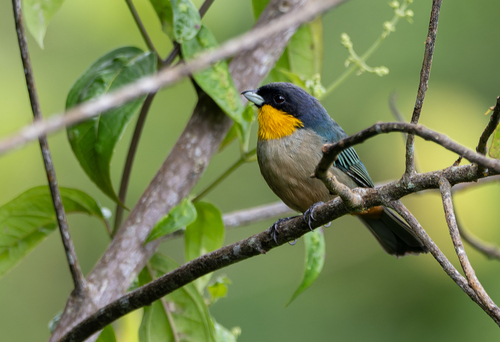 yellow-throated tanager
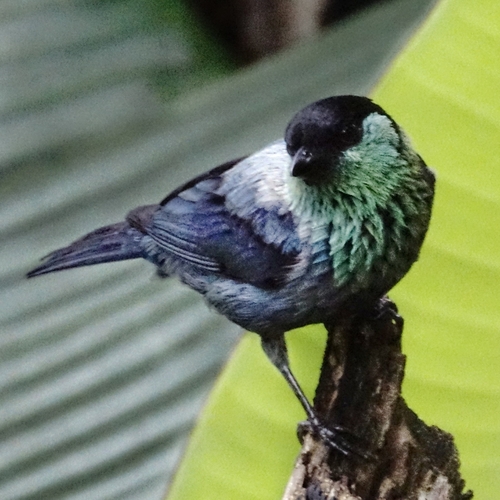 black-capped tanager
Em resumo
A marca de campo mais confiável para separar o yellow-throated tanager do black-capped tanager é a presença de uma garganta amarela brilhante no primeiro, em comparação com a garganta verde aquamarina brilhante ou escamosa do último. Os juvenis e as fêmeas do black-capped tanager podem ser especialmente confusos, pois não possuem a coroa preta do macho e têm uma aparência geralmente esverdeada, mas nunca mostram uma garganta amarela. Em todas as idades e sexos, o black-capped tanager apresenta um efeito escamoso ou estriado distinto na garganta e no peito devido às bases das penas escuras, enquanto o yellow-throated tanager tem uma garganta amarela mais uniforme. Ambas as espécies ocorrem em habitats montanhosos andinos semelhantes, mas diferenças sutis na estrutura e no padrão das asas podem ajudar em casos difíceis, especialmente com aves imaturas.
Dicas de identificação
- Garganta amarela é diagnóstica: Qualquer ave com uma garganta amarela brilhante neste grupo é um yellow-throated tanager, independentemente da idade ou sexo. O black-capped tanager nunca mostra uma garganta amarela; sua garganta é verde ou verde aquamarina com uma aparência escamosa ou estriada.
- Garganta e peito escamosos/estriados (Black-capped): Procure o efeito escamoso ou estriado distinto na garganta e no peito do black-capped tanager, causado pelas bases das penas escuras. Isso é visível em todas as idades e sexos, mas mais marcante nos machos.
- Coroa preta (macho Black-capped): Os machos adultos do black-capped tanager têm uma coroa preta que se estende até as lore, testa e parte superior do pescoço, destacando-se nitidamente das partes superiores azuladas prateadas. O yellow-throated tanager não possui essa coroa.
- Confusão entre fêmeas/imaturos: As fêmeas e os imaturos do black-capped tanager não têm a coroa preta e são geralmente verdes opacas com uma garganta escamosa verde. Eles podem ser confundidos com outros tanagers esverdeados, mas nunca mostram uma garganta amarela.
- Padrão da asa superior (Black-capped): Em voo ou em repouso, o black-capped tanager mostra coberturas superiores azuladas ou esverdeadas, com coberturas primárias e tertiais com bordas azuis ou verdes. Machos juvenis podem mostrar uma borda azul pálida nas primárias. O yellow-throated tanager não apresenta esses padrões específicos nas asas.
- Tamanho e volume: O yellow-throated tanager é mais pesado e pode parecer mais volumoso que o black-capped, que é mais leve e um pouco mais curto. Isso é sutil e é melhor usado como evidência de apoio.
- Contexto do habitat: Se a ave for vista em habitats muito abertos, arbustivos ou de borda nas montanhas, é mais provável que seja um black-capped tanager. O yellow-throated tanager é mais típico de florestas montanhosas densas.
- Comportamento: Os black-capped tanagers podem ser vistos se escondendo sob galhos ou dentro de arbustos, muitas vezes sozinhos ou em pares. O yellow-throated tanager é mais provável de ser ativo em bandos mistos no dossel.
- Coberturas da cauda (Black-capped): O black-capped tanager tem coberturas da cauda com centros escuros e bordas brancas largas, uma característica sutil, mas potencialmente útil a curta distância. Nenhum padrão semelhante é descrito para o yellow-throated tanager.
- Diferenças sexuais (Black-capped): Os machos são mais contrastantes com uma coroa preta e costas azul prateadas; as fêmeas são mais opacas e verdes. Ambos os sexos sempre têm uma garganta verde ou verde aquamarina, nunca amarela.
- Confusão juvenil: Os juvenis do black-capped tanager se assemelham a fêmeas opacas, mas podem mostrar uma borda azul pálida nas primárias. Os juvenis do yellow-throated tanager não são detalhados, mas qualquer ave com garganta amarela não é um black-capped.
- Canto (Black-capped): Se você ouvir um canto de tom baixo, de até 10 segundos, de um poleiro alto, é provável que seja um black-capped tanager. O canto do yellow-throated tanager não é descrito, então não use isso como única evidência.
- Sobreposição geográfica: Ambas as espécies ocorrem na Colômbia e no Equador. Se estiver na Venezuela, é um black-capped; se estiver no Peru, é um yellow-throated.
- Comparação com espécies semelhantes: O black-capped tanager pode se assemelhar ao silver-backed e ao beryl-spangled tanagers, mas esses têm padrões de garganta e coroa diferentes. O yellow-throated tanager é improvável de ser confundido com esses devido à sua garganta amarela.
- Abordagem de lista de verificação: Sempre verifique a cor da garganta primeiro, depois procure a cor da coroa e o efeito escamoso no peito. Use o habitat e o comportamento como pistas de apoio e tenha cuidado com fêmeas opacas e imaturas— a cor da garganta continua sendo a melhor marca.
Tamanho
O yellow-throated tanager é mais pesado, com uma massa corporal de cerca de 26 g [wikidata], enquanto o black-capped tanager é menor e mais leve (18–20 g para adultos, segundo a Wikipedia). Essa diferença é sutil em campo, mas o yellow-throated tanager pode parecer um pouco mais volumoso e robusto, especialmente quando visto lado a lado. Ambos são tanagers de tamanho médio, mas o black-capped tanager é um pouco mais curto em comprimento (cerca de 13 cm).
Plumagem
-
Aves Juvenis e Imaturas: Os black-capped tanagers em plumagem juvenil e imatura se assemelham a fêmeas mais opacas, com partes superiores esverdeadas e uma garganta e peito verdes escamosos. Machos juvenis podem mostrar uma borda azul pálida nas primárias, mas nunca uma garganta amarela. Os juvenis do yellow-throated tanager não são descritos em detalhes nas fontes, mas a espécie é sempre caracterizada por uma garganta amarela, que nunca está presente no black-capped tanager de qualquer idade.
-
Machos Adultos: O yellow-throated tanager tem uma garganta amarela brilhante, contrastando com partes superiores azul ou negras mais escuras (não detalhadas nessas notas, mas implícitas pelo nome e padrão típico do gênero). Os machos do black-capped tanager têm uma coroa preta, partes superiores azuladas prateadas e uma garganta e peito verde aquamarina brilhante ou verde opalescente com uma aparência escamosa distinta das bases das penas escuras. O restante das partes inferiores é azul acinzentado opaco.
-
Fêmeas Adultas: As fêmeas do black-capped tanager não têm a coroa preta, têm uma coroa escura com bordas verdes (dando uma aparência ligeiramente escamosa) e são geralmente mais opacas e mais esverdeadas, com uma garganta e peito verdes escamosos. As fêmeas do yellow-throated tanager (não descritas em detalhes) ainda mostrariam uma garganta amarela, que é diagnóstica.
-
Padrão da Asa Superior: O black-capped tanager tem coberturas superiores azuladas ou esverdeadas com coberturas primárias escuras ou negras com bordas azuis ou verdes, e tertiais com bordas azuis ou verdes. Esses contrastes sutis provavelmente não são diagnósticos à distância, mas a impressão geral é de uma ave com alguma borda azul ou verde em asas de outra forma escuras. Nenhum padrão distintivo da asa superior é descrito para o yellow-throated tanager.
Comportamento
Os black-capped tanagers são frequentemente encontrados sozinhos ou em pares, forrageando em paisagens abertas, mas frequentemente se escondendo sob galhos ou dentro de arbustos. Eles podem cantar de poleiros altos, às vezes expostos. O comportamento dos yellow-throated tanagers é menos detalhado nas fontes, mas como um tanager de floresta montanhosa, é provável que seja visto em bandos mistos dentro do dossel ou subdossel, muitas vezes mais ativo e menos secreto que o black-capped. Ambas as espécies podem ser vistas forrageando nos níveis médio a superior da floresta, mas o black-capped pode ser mais propenso a se esconder ou permanecer parcialmente oculto.
Habitat
Ambas as espécies são encontradas em florestas montanhosas andinas da Colômbia e do Equador, com o yellow-throated tanager também no Peru e o black-capped tanager também na Venezuela. O yellow-throated tanager prefere florestas montanhosas úmidas subtropicais ou tropicais, enquanto o black-capped tanager é conhecido por usar paisagens abertas dentro das montanhas, às vezes aventurando-se em habitats mais abertos ou de borda e se escondendo em arbustos. A sobreposição é substancial, mas o black-capped pode ser mais provável em bordas de floresta ou em áreas semi-abertas.
Voz
O black-capped tanager é conhecido por cantar frequentemente, muitas vezes de poleiros altos e às vezes expostos. Seu canto dura até dez segundos e é de tom baixo. Nenhum detalhe de vocalização é fornecido para o yellow-throated tanager nas fontes, então o canto não é uma separação confiável, a menos que o black-capped seja ouvido cantando.
yellow-throated tanager · black-capped tanager · Minhas aves difíceis