
Yellow-throated Tanager vs Black-capped Tanager
Iridosornis analis contro Stilpnia heinei
Fai un quiz con Yellow-throated Tanager e Black-capped Tanager
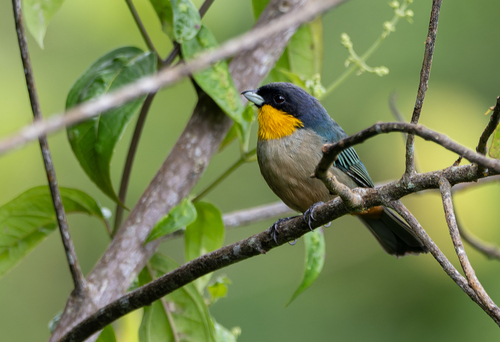 Yellow-throated Tanager
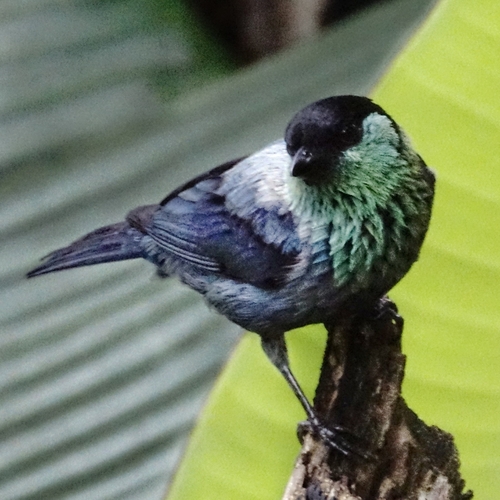 Black-capped Tanager
In breve
Il segno distintivo più affidabile per separare il Yellow-throated Tanager dal Black-capped Tanager è la presenza di una gola gialla brillante nel primo, rispetto alla gola verde acquamarina lucente o verde squamosa del secondo. I giovani e le femmine di Black-capped Tanagers possono essere particolarmente confusi, poiché mancano del cappello nero del maschio e hanno un aspetto generalmente verdastro, ma non mostrano mai una gola gialla. In tutte le età e sessi, il Black-capped Tanager mostra un effetto distintivo squamoso o striato sulla gola e sul petto a causa delle basi delle piume scure, mentre il Yellow-throated Tanager ha una gola gialla più uniforme. Entrambe le specie si trovano in habitat montani andini simili, ma sottili differenze nella struttura e nel modello delle ali possono aiutare nei casi difficili, specialmente con gli uccelli immaturi.
Consigli di identificazione
- La gola gialla è diagnostica: Qualsiasi uccello con una gola gialla brillante in questo gruppo è un Yellow-throated Tanager, indipendentemente dall'età o dal sesso. Il Black-capped Tanager non mostra mai una gola gialla; la sua gola è verde o verde acquamarina con un aspetto squamoso o striato.
- Gola e petto squamosi/striati (Black-capped): Cerca l'effetto distintivo squamoso o striato sulla gola e sul petto del Black-capped Tanager, causato dalle basi delle piume scure. Questo è visibile in tutte le età e sessi, ma più evidente nei maschi.
- Cappello nero (maschio Black-capped): I maschi adulti di Black-capped Tanagers hanno una corona nera che si estende fino alle lore, alla fronte e alla parte superiore del collo, nettamente distinta dalle parti superiori blu-grigio argentato. Il Yellow-throated Tanager manca di questo cappello.
- Confusione femminile/immatura: Le femmine e i giovani Black-capped Tanagers mancano della corona nera e sono complessivamente di un verde opaco con una gola verde squamosa. Possono essere confusi con altri tanager verdastri, ma non mostrano mai una gola gialla.
- Modello dell'ala superiore (Black-capped): In volo o a riposo, il Black-capped Tanager mostra copritrici dell'ala superiore blu-grigio o verdastre, con copritrici primarie e terziarie bordate di blu o verde. I giovani maschi possono mostrare un bordo blu pallido sulle primarie. Il Yellow-throated Tanager non mostra questi specifici modelli delle ali.
- Dimensione e robustezza: Il Yellow-throated Tanager è più pesante e può apparire più robusto del Black-capped, che è più leggero e leggermente più corto. Questa è una differenza sottile e meglio utilizzata come prova di supporto.
- Contesto dell'habitat: Se l'uccello viene visto in habitat molto aperti, cespugliosi o di margine all'interno delle montagne, è più probabile che sia un Black-capped Tanager. Il Yellow-throated Tanager è più tipico delle foreste montane dense.
- Comportamento: I Black-capped Tanagers possono essere visti nascondersi sotto i rami o all'interno dei cespugli, spesso da soli o in coppie. Il Yellow-throated Tanager è più probabile che sia attivo in stormi misti nella chioma.
- Copritrici della coda (Black-capped): Il Black-capped Tanager ha copritrici della coda con centri scuri e ampi bordi bianchi, una caratteristica sottile ma potenzialmente utile a distanza ravvicinata. Non è descritto alcun modello simile per il Yellow-throated Tanager.
- Differenze sessuali (Black-capped): I maschi sono più contrastanti con un cappello nero e un dorso blu argentato; le femmine sono più opache e verdi. Entrambi i sessi hanno sempre una gola verde o verde acquamarina, mai gialla.
- Confusione giovanile: I giovani Black-capped Tanagers assomigliano a femmine opache, ma possono mostrare un bordo blu pallido sulle primarie. I giovani del Yellow-throated Tanager non sono dettagliati, ma qualsiasi uccello con gola gialla non è un Black-capped.
- Canto (Black-capped): Se senti un canto a bassa tonalità, fino a 10 secondi, da un alto posatoio, è probabile che sia un Black-capped Tanager. Il canto del Yellow-throated Tanager non è descritto, quindi non usarlo come unica prova.
- Sovrapposizione geografica: Entrambe le specie si trovano in Colombia e Ecuador. Se in Venezuela, è un Black-capped; se in Perù, è un Yellow-throated.
- Confronto con specie simili: Il Black-capped Tanager può assomigliare a Silver-backed e Beryl-spangled Tanagers, ma questi hanno modelli di gola e corona diversi. Il Yellow-throated Tanager è improbabile che venga confuso con questi a causa della sua gola gialla.
- Approccio alla checklist: Controlla sempre prima il colore della gola, poi cerca il colore della corona e l'effetto squamoso sul petto. Usa habitat e comportamento come indizi di supporto e fai attenzione con femmine opache e immaturi: il colore della gola rimane il miglior segno.
Taglia
Il Yellow-throated Tanager è più pesante, con una massa corporea di circa 26 g [wikidata], mentre il Black-capped Tanager è più piccolo e leggero (18–20 g per gli adulti, secondo Wikipedia). Questa differenza è sottile sul campo, ma il Yellow-throated Tanager può apparire leggermente più robusto e massiccio, specialmente quando visto fianco a fianco. Entrambi sono tanager di dimensioni medie, ma il Black-capped Tanager è un po' più corto in lunghezza (circa 13 cm).
Piumaggio
-
Giovani e Uccelli Immaturi: I Black-capped Tanagers in piumaggio giovanile e immaturo assomigliano a femmine più opache, con parti superiori verdastre e una gola e un petto verdi squamosi. I giovani maschi possono mostrare un bordo blu pallido sulle primarie, ma mai una gola gialla. I giovani del Yellow-throated Tanager non sono descritti in dettaglio nelle fonti, ma la specie è sempre caratterizzata da una gola gialla, che non è mai presente nel Black-capped Tanager di alcuna età.
-
Maschi Adulti: Il Yellow-throated Tanager ha una gola gialla brillante, in contrasto con le parti superiori blu scure o nerastre (non dettagliate in queste note, ma implicate dal nome e dal tipico modello di genere). I maschi di Black-capped Tanager hanno una corona nera, parti superiori blu-grigio argentato e una gola e un petto verdi acquamarina lucenti o verdi opalescenti con un aspetto distintivo squamoso dalle basi delle piume scure. Il resto delle parti inferiori è di un blu-grigiastro opaco.
-
Femmine Adulte: Le femmine di Black-capped Tanagers mancano del cappello nero, hanno una corona scura bordata di verde (che conferisce un aspetto leggermente squamoso) e sono complessivamente più opache e verdastre, con una gola e un petto verdi squamosi. Le femmine di Yellow-throated Tanagers (non descritte in dettaglio) mostrerebbero comunque una gola gialla, che è diagnostica.
-
Modello dell'ala superiore: Il Black-capped Tanager ha copritrici dell'ala superiore blu-grigio o verdastre con copritrici primarie scure o nerastre bordate di blu o verde, e terziarie bordate di blu o verde. Questi contrasti sottili non sono probabilmente diagnostici a distanza, ma l'impressione generale è di un uccello con qualche bordo blu o verde su ali altrimenti scure. Non è descritto alcun modello distintivo dell'ala superiore per il Yellow-throated Tanager.
Comportamento
I Black-capped Tanagers si trovano spesso soli o in coppie, foraggiando in paesaggi aperti ma nascondendosi frequentemente sotto i rami o all'interno dei cespugli. Possono cantare da posatoi alti, a volte esposti. Il comportamento dei Yellow-throated Tanagers è meno dettagliato nelle fonti, ma come tanager delle foreste montane, è probabile che venga visto in stormi misti all'interno della chioma o del sottobosco, spesso più attivo e meno riservato rispetto al Black-capped. Entrambe le specie possono essere viste foraggiando nei livelli medi e superiori della foresta, ma il Black-capped potrebbe essere più propenso a nascondersi o rimanere parzialmente nascosto.
Habitat
Entrambe le specie si trovano nelle foreste montane andine di Colombia ed Ecuador, con il Yellow-throated Tanager anche in Perù e il Black-capped Tanager anche in Venezuela. Il Yellow-throated Tanager preferisce foreste montane umide subtropicali o tropicali, mentre il Black-capped Tanager è noto per utilizzare paesaggi aperti all'interno delle montagne, a volte avventurandosi in habitat più aperti o di margine e nascondendosi nei cespugli. La sovrapposizione è sostanziale, ma il Black-capped potrebbe essere più probabile ai margini della foresta o in aree semiaperte.
Voce
Il Black-capped Tanager è noto per cantare frequentemente, spesso da posatoi alti e a volte esposti. Il suo canto dura fino a dieci secondi ed è a bassa tonalità. Non sono forniti dettagli sulla vocalizzazione del Yellow-throated Tanager nelle fonti, quindi il canto non è una separazione affidabile a meno che non si senta cantare il Black-capped.
Yellow-throated Tanager · Black-capped Tanager · I miei uccelli difficili