
Buff-breasted Flycatcher vs Saltmarsh Sparrow
Empidonax fulvifrons contro Ammospiza caudacuta
Fai un quiz con Buff-breasted Flycatcher e Saltmarsh Sparrow
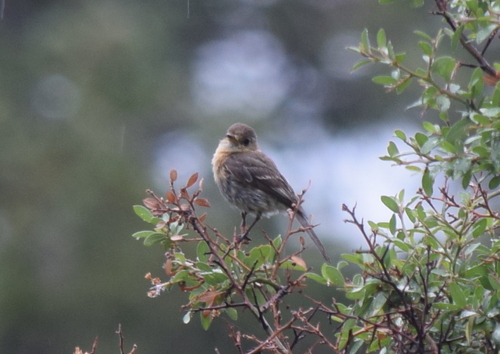 Buff-breasted Flycatcher
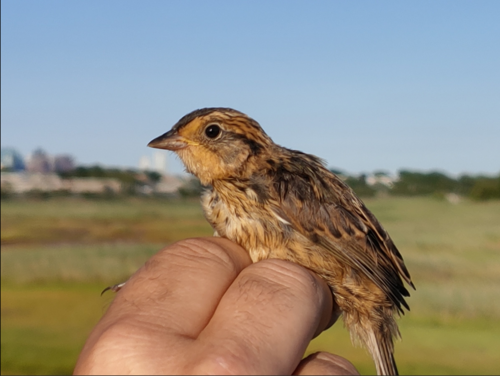 Saltmarsh Sparrow
In breve
Il Buff-breasted Flycatcher e lo Saltmarsh Sparrow sono facilmente distinguibili per habitat e struttura. Il flycatcher è un piccolo uccello di bosco montano con una forma tipica da flycatcher, mentre lo sparrow è uno specialista delle paludi di marea con una struttura più robusta, simile a quella di un passero. Cerca il Buff-breasted Flycatcher in boschi aperti di pino e quercia, in contrasto con la preferenza dello Saltmarsh Sparrow per i densi prati salini.
Consigli di identificazione
- Habitat: Buff-breasted Flycatcher in boschi montani; Saltmarsh Sparrow in paludi di marea. 2. Structure: Cerca la tipica forma da Empidonax del flycatcher rispetto alla struttura robusta e simile a quella di un passero dello sparrow. 3. Plumage: Nota il petto buffy del flycatcher rispetto al piumaggio striato e criptico dello sparrow.
Piumaggio
Il Buff-breasted Flycatcher ha un petto buffy e un piumaggio tipico da flycatcher, mentre lo Saltmarsh Sparrow ha un piumaggio più criptico e striato adatto agli ambienti palustri.
Comportamento
Il Buff-breasted Flycatcher di solito si posiziona in modo appariscente e si lancia per catturare insetti, mentre lo Saltmarsh Sparrow cerca cibo a terra e nella vegetazione, spesso arrampicandosi tra le fitte erbe delle paludi.
Habitat
I Buff-breasted Flycatchers si trovano in boschi aperti di pino e quercia e in foreste ripariali montane, mentre gli Saltmarsh Sparrows sono limitati alle paludi di marea lungo la costa atlantica nord-centro.
Buff-breasted Flycatcher · Saltmarsh Sparrow · I miei uccelli difficili