Birdr

Blonde feetiran vs Spitsstaartgors

Empidonax fulvifrons versus Ammospiza caudacuta

Speel een quiz met Blonde feetiran en Spitsstaartgors
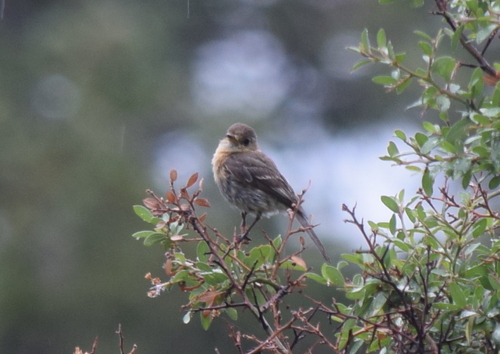
Blonde feetiran (Empidonax fulvifrons) Blonde feetiran
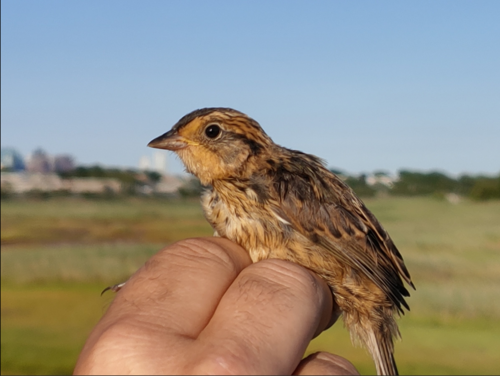
Spitsstaartgors (Ammospiza caudacuta) Spitsstaartgors

Media

Laden…

Kort gezegd

De Blonde feetiran en Spitsstaartgors zijn gemakkelijk te onderscheiden op basis van habitat en structuur. De feetiran is een kleine, bergachtige bosvogel met een typische feetiran-vorm, terwijl de gors een specialist is in getijdenmoerassen met een robuustere, gorsachtige bouw. Zoek de Blonde feetiran in open den-eik bossen, in contrast met de voorkeur van de Spitsstaartgors voor dichte zoutweiden.

Herkenningstips

  1. Habitat: Blonde feetiran in bergachtige bossen; Spitsstaartgors in getijdenmoerassen. 2. Structuur: Let op de typische Empidonax-vorm van de feetiran versus de robuuste, gorsachtige bouw van de gors. 3. Vederdracht: Let op de buffy borst van de feetiran in vergelijking met de gestreepte, cryptische vederdracht van de gors.

Verenkleed

De Blonde feetiran heeft een buffy borst en typische feetiran-vederdracht, terwijl de Spitsstaartgors meer cryptische, gestreepte vederdracht heeft die geschikt is voor moerasomgevingen.

Gedrag

De Blonde feetiran zit meestal opvallend en jaagt op insecten, terwijl de Spitsstaartgors op de grond en in de vegetatie foerageert, vaak door dichte moerasgrassen klimt.

Habitat

Blonde feetiran zijn te vinden in open den-eik bossen en bergachtige oeverbossen, terwijl Spitsstaartgorsen beperkt zijn tot getijdenmoerassen langs de noord-centraal Atlantische kust.

Stuur een betere beschrijving

Gebruik dezelfde onderdelen als de vergelijking. Je tekst staat meteen live.

The Buff-breasted Flycatcher and Saltmarsh Sparrow are easily distinguished by habitat and structure. The flycatcher is a small, montane woodland bird with a typical flycatcher shape, while the sparrow is a tidal-marsh specialist with a more robust, sparrow-like build. Look for the Buff-breasted Flycatcher in open pine-oak woodlands, contrasting with the Saltmarsh Sparrow's preference for dense salt meadows.

  1. Habitat: Buff-breasted Flycatcher in montane woodlands; Saltmarsh Sparrow in tidal marshes. 2. Structure: Look for the flycatcher's typical Empidonax shape versus the sparrow's robust, sparrow-like build. 3. Plumage: Note the flycatcher's buffy breast compared to the sparrow's streaked, cryptic plumage.

The Buff-breasted Flycatcher has a buffy breast and typical flycatcher plumage, while the Saltmarsh Sparrow has more cryptic, streaked plumage suited for marsh environments.

The Buff-breasted Flycatcher typically perches conspicuously and sallies for insects, whereas the Saltmarsh Sparrow forages on the ground and in vegetation, often clambering through dense marsh grasses.

Buff-breasted Flycatchers are found in open pine-oak woodlands and montane riparian forests, while Saltmarsh Sparrows are restricted to tidal marshes along the north-central Atlantic coast.

Wijzigingen weggooien?

Je hebt niet-opgeslagen wijzigingen. Als je nu weggaat, gaan die verloren.

Blonde feetiran · Spitsstaartgors · Mijn lastige vogels