Birdr

Buff-breasted Flycatcher vs Saltmarsh Sparrow

Empidonax fulvifrons versus Ammospiza caudacuta

Play a quiz with Buff-breasted Flycatcher and Saltmarsh Sparrow
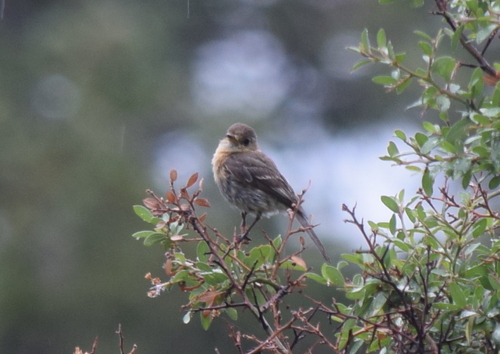
Buff-breasted Flycatcher (Empidonax fulvifrons) Buff-breasted Flycatcher
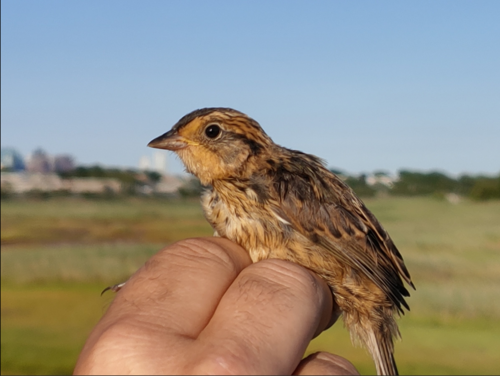
Saltmarsh Sparrow (Ammospiza caudacuta) Saltmarsh Sparrow

Media

Loading…

In short

The Buff-breasted Flycatcher and the Saltmarsh Sparrow are unlikely to be confused due to their distinct habitats and behaviors. The flycatcher is a small, agile bird of open pine-oak woodlands, while the sparrow is a tidal-marsh specialist. Key differences include habitat preference and plumage details.

Identification tips

  1. Habitat: Look for Buff-breasted Flycatchers in open pine-oak woodlands; Saltmarsh Sparrows are in tidal marshes. 2. Plumage: Note the buffy breast of the flycatcher versus the streaked appearance of the sparrow. 3. Behavior: Observe the flycatcher's sallying flight compared to the sparrow's ground foraging.

Size

The Buff-breasted Flycatcher is a small flycatcher, generally smaller and more delicate than the Saltmarsh Sparrow, which is a medium-sized sparrow.

Plumage

The Buff-breasted Flycatcher has a buffy breast and a generally pale appearance with a small bill, while the Saltmarsh Sparrow features streaked plumage with a more robust bill and a distinct facial pattern.

Behaviour

Buff-breasted Flycatchers are agile and often seen sallying for insects, while Saltmarsh Sparrows are ground foragers in dense marsh vegetation.

Habitat

Buff-breasted Flycatchers prefer open pine-oak woodlands and montane riparian forests, whereas Saltmarsh Sparrows are found in tidal salt marshes along the Atlantic coast.

Voice

Vocalizations are not a primary distinguishing feature in the field for these species, as they occupy different habitats.

Submit a better description

Use the same sections as the comparison. Your text is published immediately.

The Buff-breasted Flycatcher and the Saltmarsh Sparrow are unlikely to be confused due to their distinct habitats and behaviors. The flycatcher is a small, agile bird of open pine-oak woodlands, while the sparrow is a tidal-marsh specialist. Key differences include habitat preference and plumage details.

  1. Habitat: Look for Buff-breasted Flycatchers in open pine-oak woodlands; Saltmarsh Sparrows are in tidal marshes. 2. Plumage: Note the buffy breast of the flycatcher versus the streaked appearance of the sparrow. 3. Behavior: Observe the flycatcher's sallying flight compared to the sparrow's ground foraging.

The Buff-breasted Flycatcher is a small flycatcher, generally smaller and more delicate than the Saltmarsh Sparrow, which is a medium-sized sparrow.

The Buff-breasted Flycatcher has a buffy breast and a generally pale appearance with a small bill, while the Saltmarsh Sparrow features streaked plumage with a more robust bill and a distinct facial pattern.

Buff-breasted Flycatchers are agile and often seen sallying for insects, while Saltmarsh Sparrows are ground foragers in dense marsh vegetation.

Buff-breasted Flycatchers prefer open pine-oak woodlands and montane riparian forests, whereas Saltmarsh Sparrows are found in tidal salt marshes along the Atlantic coast.

Vocalizations are not a primary distinguishing feature in the field for these species, as they occupy different habitats.

Discard your changes?

You have unsaved edits. If you leave now, those changes will be lost.

Buff-breasted Flycatcher · Saltmarsh Sparrow · My Tricky Birds