
buff-breasted flycatcher vs saltmarsh sparrow
Empidonax fulvifrons versus Ammospiza caudacuta
Jogue um quiz com buff-breasted flycatcher e saltmarsh sparrow
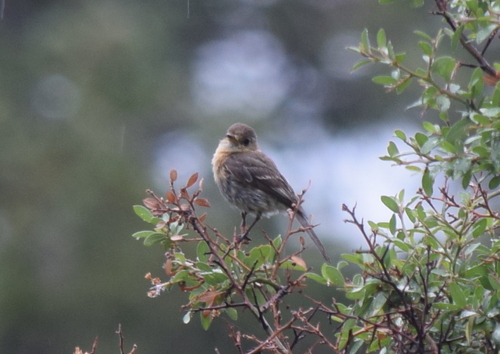 buff-breasted flycatcher
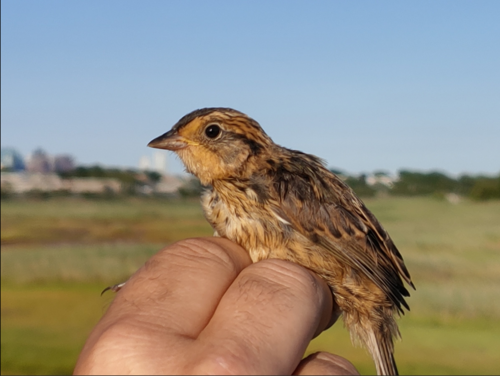 saltmarsh sparrow
Em resumo
O buff-breasted flycatcher e o saltmarsh sparrow são facilmente distinguidos pelo habitat e pela estrutura. O flycatcher é um pequeno pássaro de floresta montana com uma forma típica de flycatcher, enquanto o sparrow é um especialista em pântanos de maré com uma construção mais robusta, semelhante a um sparrow. Procure o buff-breasted flycatcher em florestas abertas de pinheiros e carvalhos, contrastando com a preferência do saltmarsh sparrow por prados salgados densos.
Dicas de identificação
- Habitat: buff-breasted flycatcher em florestas montanas; saltmarsh sparrow em pântanos de maré. 2. Estrutura: Procure a forma típica de Empidonax do flycatcher em contraste com a construção robusta, semelhante a um sparrow, do sparrow. 3. Plumagem: Observe o peito amarelado do flycatcher em comparação com a plumagem listrada e críptica do sparrow.
Plumagem
O buff-breasted flycatcher tem um peito amarelado e plumagem típica de flycatcher, enquanto o saltmarsh sparrow tem plumagem mais críptica e listrada, adequada para ambientes de pântano.
Comportamento
O buff-breasted flycatcher geralmente pousa de forma conspícua e se lança em busca de insetos, enquanto o saltmarsh sparrow forrageia no chão e na vegetação, frequentemente se arrastando através das densas gramíneas de pântano.
Habitat
Os buff-breasted flycatchers são encontrados em florestas abertas de pinheiros e carvalhos e florestas ripárias montanas, enquanto os saltmarsh sparrows estão restritos a pântanos de maré ao longo da costa atlântica centro-norte.
buff-breasted flycatcher · saltmarsh sparrow · Minhas aves difíceis