
Piro piro culbianco vs Solitary Sandpiper
Tringa ochropus contro Tringa solitaria
Fai un quiz con Piro piro culbianco e Solitary Sandpiper
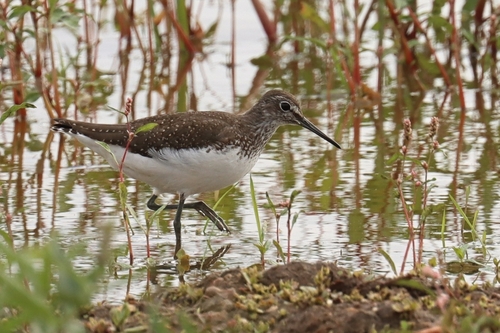 Piro piro culbianco
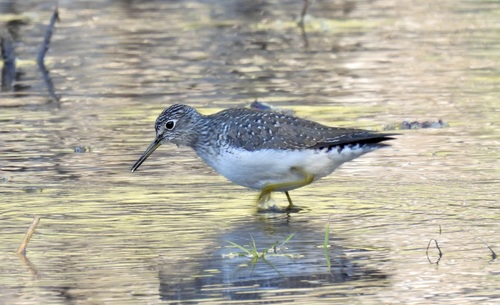 Solitary Sandpiper
In breve
Il Piro piro culbianco e il Solitary Sandpiper sono simili nell'aspetto ma possono essere distinti dal loro comportamento e dalle preferenze di habitat. Il Piro piro culbianco è più probabile che venga visto in Europa e Asia, mentre il Solitary Sandpiper si trova in Nord America. Entrambe le specie hanno un piumaggio simile, ma i loro comportamenti solitari rispetto a quelli di gruppo possono essere un fattore chiave di differenziazione.
Consigli di identificazione
1. Behavior: Cerca comportamenti solitari nel Solitary Sandpiper rispetto a potenziali gruppi nel Piro piro culbianco. 2. Habitat: Considera la posizione geografica—Piro piro culbianco in Europa/Asia, Solitary Sandpiper in Nord America. 3. Eye-ring: Controlla per un anello oculare bianco più pronunciato nel Solitary Sandpiper.
Piumaggio
Entrambe le specie hanno un piumaggio simile con parti superiori scure e parti inferiori più chiare. Tuttavia, il Solitary Sandpiper può mostrare un anello oculare bianco più pronunciato rispetto al Piro piro culbianco.
Comportamento
Il Solitary Sandpiper è noto per le sue abitudini solitarie durante la migrazione, in contrasto con il Piro piro culbianco, che può essere visto in piccoli gruppi.
Habitat
Il Piro piro culbianco si trova tipicamente in Europa e Asia, mentre il Solitary Sandpiper nidifica nelle foreste boreali del Canada e dell'Alaska e sverna nei tropici delle Americhe.
Piro piro culbianco · Solitary Sandpiper · I miei uccelli difficili