
Tordo di Baird vs Botteri's Sparrow
Catharus minimus contro Peucaea botterii
Fai un quiz con Tordo di Baird e Botteri's Sparrow
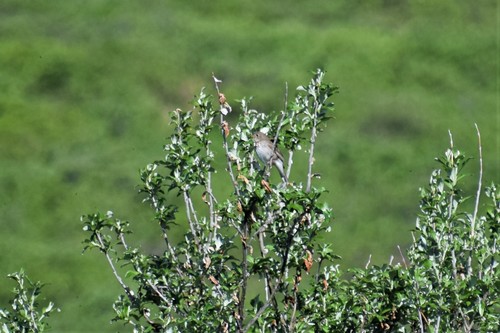 Tordo di Baird
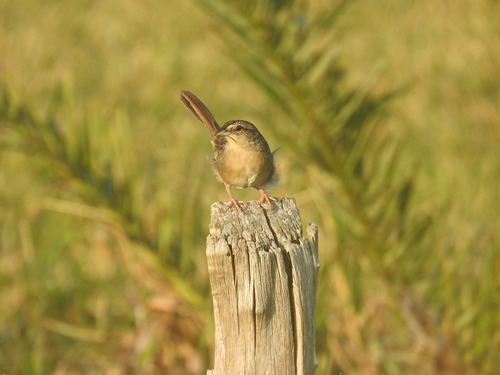 Botteri's Sparrow
In breve
Il Tordo di Baird e il Botteri's Sparrow sono facilmente distinguibili per la loro struttura e le preferenze di habitat. Il tordo è un uccello di taglia media, snello e con una postura più eretta, mentre il passero è più piccolo, tozzo e spesso visto muoversi furtivamente a terra. Anche le loro vocalizzazioni sono distinte, con il canto del passero che somiglia a una pallina da ping-pong che si ferma.
Consigli di identificazione
1. Structure: Cerca la postura più eretta e la corporatura snella del tordo rispetto alla forma tozza del passero. 2. Habitat: Nota l'habitat; i tordi preferiscono le foreste, i passeri preferiscono i prati. 3. Song: Ascolta il canto distintivo del passero, che è diverso dalle tipiche vocalizzazioni del tordo.
Taglia
Il Tordo di Baird è generalmente più grande e più snello rispetto al più piccolo e tozzo Botteri's Sparrow.
Piumaggio
Il Tordo di Baird ha un piumaggio grigio-marrone più uniforme con una guancia grigia chiara, mentre il Botteri's Sparrow ha un aspetto più striato tipico dei passeri.
Comportamento
Il Tordo di Baird è più probabile che venga visto posato in posizione eretta, mentre il Botteri's Sparrow spesso mostra un comportamento evasivo a terra.
Habitat
I Tordi di Baird si trovano tipicamente in aree boschive, mentre i Botteri's Sparrows sono più associati a prati e habitat aperti.
Voce
Il Botteri's Sparrow è noto per il suo canto distintivo, che suona come una pallina da ping-pong che si ferma. Il canto del Tordo di Baird non è descritto qui.
Tordo di Baird · Botteri's Sparrow · I miei uccelli difficili