Grey-cheeked Thrush vs Botteri's Sparrow
Catharus minimus versus Peucaea botterii
Play a quiz with Grey-cheeked Thrush and Botteri's Sparrow
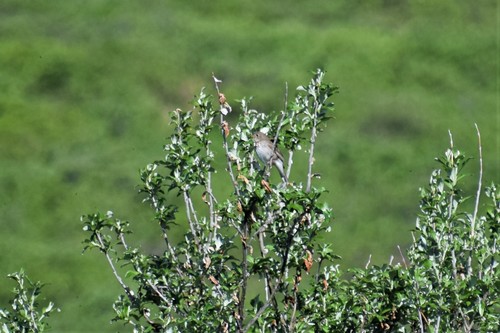
Grey-cheeked Thrush
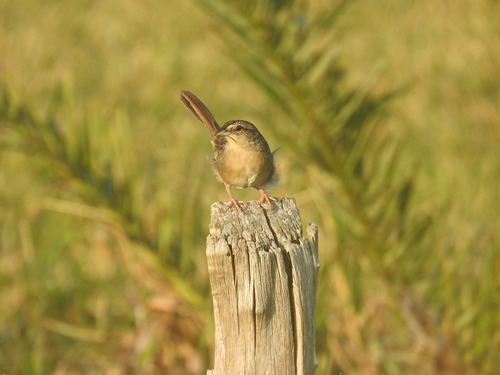
Botteri's Sparrow
In short
The Grey-cheeked Thrush and Botteri's Sparrow are distinct in both appearance and habitat. The thrush is a forest-dwelling bird with a more uniform brown plumage, while the sparrow is a grassland species with a streaked appearance. Their vocalizations and behaviors also differ significantly.
Identification tips
1. Habitat: Note the environment; thrushes are in forests, sparrows in grasslands. 2. Size and Shape: Thrushes are larger and more robust. 3. Plumage: Look for the thrush's uniform brown and grey cheeks versus the sparrow's streaked back. 4. Song: Listen for the sparrow's distinctive 'ping-pong' song. 5. Behavior: Thrushes forage on the forest floor, sparrows stay low in grass.
Size
The Grey-cheeked Thrush is larger and more robust than the smaller, more delicate Botteri's Sparrow.
Plumage
Grey-cheeked Thrush has a uniform brown back and greyish cheeks, while Botteri's Sparrow displays a streaked back and a more patterned face.
Behaviour
Grey-cheeked Thrush is typically seen foraging on the forest floor or in dense undergrowth, whereas Botteri's Sparrow often stays low in grasslands and reveals itself through its song.
Habitat
Grey-cheeked Thrush inhabits brushy willow-alder thickets and conifer forests, while Botteri's Sparrow prefers semidesert grasslands and coastal prairies.
Voice
Botteri's Sparrow is known for its distinctive song, reminiscent of a ping-pong ball coming to rest, while the Grey-cheeked Thrush has a more melodious and varied song.