
sabiazinho-de-cara-cinza vs botteri's sparrow
Catharus minimus versus Peucaea botterii
Jogue um quiz com sabiazinho-de-cara-cinza e botteri's sparrow
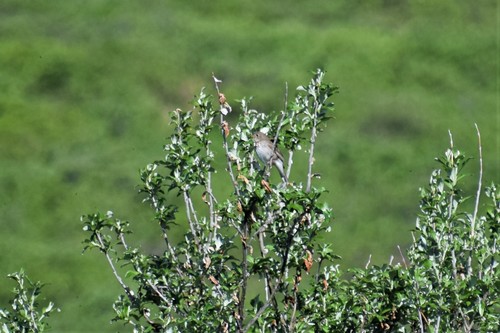 sabiazinho-de-cara-cinza
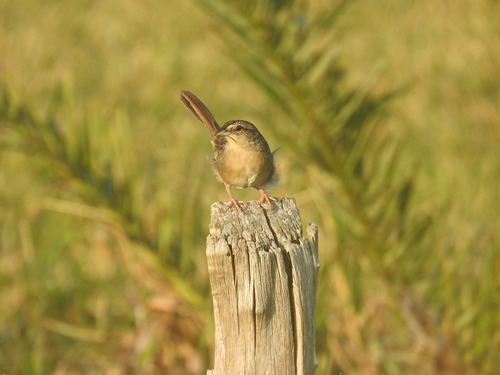 botteri's sparrow
Em resumo
O sabiazinho-de-cara-cinza e o botteri's sparrow são facilmente distinguidos por sua estrutura e preferências de habitat. O sabiá é um pássaro de tamanho médio, esbelto, com uma postura mais ereta, enquanto o pardal é menor, mais robusto e frequentemente visto se escondendo no chão. Suas vocalizações também são distintas, com o canto do pardal se assemelhando a uma bola de pingue-pongue parando.
Dicas de identificação
1. Estrutura: Procure pela postura mais ereta do sabiá e pela construção esbelta em comparação com a forma mais robusta do pardal. 2. Habitat: Observe o habitat; os sabiás preferem florestas, os pardais preferem campos abertos. 3. Canto: Ouça o canto distinto do pardal, que é diferente das vocalizações típicas dos sabiás.
Tamanho
O sabiazinho-de-cara-cinza é geralmente maior e mais esbelto do que o menor e mais robusto botteri's sparrow.
Plumagem
O sabiazinho-de-cara-cinza tem uma plumagem cinza-marrom mais uniforme com uma bochecha cinza pálido, enquanto o botteri's sparrow tem uma aparência mais estriada, típica dos pardais.
Comportamento
O sabiazinho-de-cara-cinza é mais propenso a ser visto empoleirado de forma ereta, enquanto o botteri's sparrow frequentemente exibe um comportamento evasivo no chão.
Habitat
Os sabiás-de-cara-cinza são tipicamente encontrados em áreas florestais, enquanto os pardais-botteri estão mais associados a campos abertos e habitats abertos.
Voz
O botteri's sparrow é conhecido por seu canto distinto, que soa como uma bola de pingue-pongue parando. O canto do sabiazinho-de-cara-cinza não é descrito aqui.
sabiazinho-de-cara-cinza · botteri's sparrow · Minhas aves difíceis