
Culbianco vs Gray Silky-flycatcher
Oenanthe oenanthe contro Ptiliogonys cinereus
Fai un quiz con Culbianco e Gray Silky-flycatcher
 Culbianco
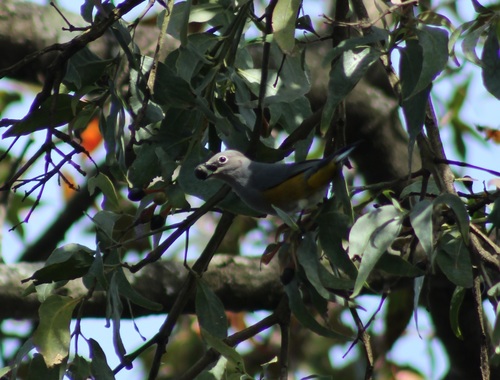 Gray Silky-flycatcher
In breve
Il Culbianco e il Gray Silky-flycatcher differiscono significativamente nella struttura e nella preferenza dell'habitat. Il Culbianco è un piccolo passeriforme terrestre con una postura eretta distintiva, mentre il Silky-flycatcher è più grande, con uno stile di vita più arboricolo. Queste differenze sono fondamentali per distinguerli sul campo.
Consigli di identificazione
1. Structure: Nota la postura eretta del Culbianco e il comportamento terrestre rispetto alle abitudini arboricole del Silky-flycatcher. 2. Plumage: Cerca il sottocoda bianco e il motivo della coda nera del Culbianco, che sono assenti nel Silky-flycatcher. 3. Habitat: Considera l'habitat; i Culbianco si trovano in aree aperte, mentre i Silky-flycatcher preferiscono ambienti boschivi.
Taglia
Il Gray Silky-flycatcher è generalmente più grande del Culbianco.
Piumaggio
Il Culbianco ha tipicamente un piumaggio chiaro con un sottocoda bianco distintivo e un motivo di coda nera, mentre il Gray Silky-flycatcher ha una colorazione grigia più uniforme con una cresta sottile.
Comportamento
I Culbianco sono spesso visti a terra, saltellando e svolazzando in basso, mentre i Gray Silky-flycatcher sono più arboricoli, spesso visti posati sugli alberi o facendo brevi voli.
Habitat
I Culbianco preferiscono habitat aperti, rocciosi o erbosi, mentre i Gray Silky-flycatcher si trovano più comunemente in aree boschive o forestali.
Culbianco · Gray Silky-flycatcher · I miei uccelli difficili