
chasco-cinzento vs gray silky-flycatcher
Oenanthe oenanthe versus Ptiliogonys cinereus
Jogue um quiz com chasco-cinzento e gray silky-flycatcher
 chasco-cinzento
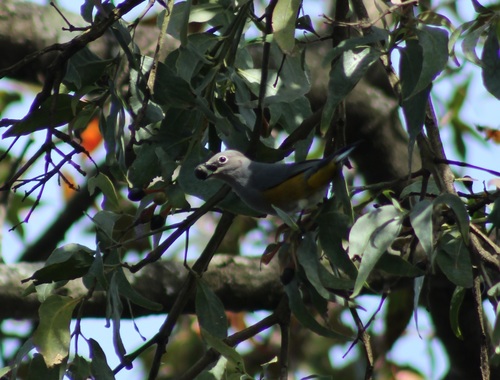 gray silky-flycatcher
Em resumo
O chasco-cinzento e o gray silky-flycatcher diferem significativamente em estrutura e preferência de habitat. O chasco é um pequeno passeriforme que vive no chão, com uma postura ereta distinta, enquanto o silky-flycatcher é maior, com um estilo de vida mais arbóreo. Essas diferenças são fundamentais para distingui-los em campo.
Dicas de identificação
1. Estrutura: Observe a postura ereta do chasco e o comportamento de viver no chão em comparação com os hábitos arbóreos do silky-flycatcher. 2. Plumagem: Procure pela rabadilha branca e o padrão de cauda preta do chasco, que estão ausentes no silky-flycatcher. 3. Habitat: Considere o habitat; os chascos estão em áreas abertas, enquanto os silky-flycatchers preferem ambientes arborizados.
Tamanho
O gray silky-flycatcher é geralmente maior que o chasco-cinzento.
Plumagem
O chasco-cinzento geralmente tem uma plumagem pálida com uma rabadilha branca distinta e padrão de cauda preta, enquanto o gray silky-flycatcher tem uma coloração cinza mais uniforme com uma crista sutil.
Comportamento
Os chascos-cinzentos são frequentemente vistos no chão, pulando e voando baixo, enquanto os gray silky-flycatchers são mais arbóreos, frequentemente vistos empoleirados em árvores ou fazendo voos curtos.
Habitat
Os chascos-cinzentos preferem habitats abertos, rochosos ou gramados, enquanto os gray silky-flycatchers são mais comumente encontrados em áreas arborizadas ou florestais.
chasco-cinzento · gray silky-flycatcher · Minhas aves difíceis