Western Thornbill vs Buff-rumped Thornbill
Acanthiza inornata contro Acanthiza reguloides
Fai un quiz con Western Thornbill e Buff-rumped Thornbill
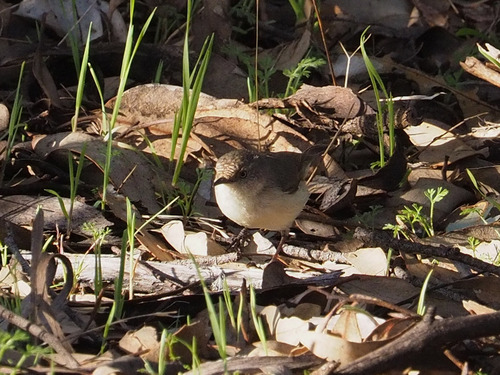 Western Thornbill
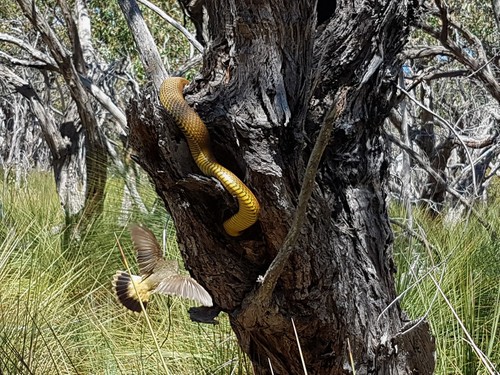 Buff-rumped Thornbill
In breve
Il modo più affidabile per separare il Western Thornbill dal Buff-rumped Thornbill è la presenza di un distintivo sottocoda color buff e una larga banda nera sulla coda con una punta chiara sul Buff-rumped Thornbill, che è assente nel Western Thornbill. Il Western Thornbill è generalmente più marrone nel complesso, con un cappello e una schiena grigio-marroni, e manca di un contrasto evidente sul sottocoda. Entrambe le specie sono simili in dimensioni e forma, ma il colore delle parti inferiori e del sottocoda sono fondamentali sul campo. Il Buff-rumped Thornbill mostra anche iridi bianche da adulto, mentre il colore degli occhi del Western Thornbill non è notato come distintivo. L'habitat può aiutare: il Western Thornbill è limitato al sud-ovest dell'Australia, mentre il Buff-rumped Thornbill si trova in tutta l'Australia orientale e sud-orientale.
Consigli di identificazione
- Sottocoda buff (solo Buff-rumped): Cerca una chiara macchia di sottocoda color buff, specialmente quando l'uccello sbatte la coda o in volo. Il Western Thornbill non mostra mai questa caratteristica.
- Schema della coda (solo Buff-rumped): Il Buff-rumped Thornbill ha una larga banda nera sulla coda con una punta chiara, visibile quando la coda è aperta. La coda del Western Thornbill è semplicemente marrone senza un forte schema.
- Tono generale: Il Western Thornbill è più marrone sopra e sotto, con un cappello e una schiena grigio-marroni. Il Buff-rumped Thornbill è più semplice, verde-marrone sopra e più chiaro, giallastro sotto.
- Parti inferiori: Il Western Thornbill ha un ventre cremoso e chiaro; il Buff-rumped Thornbill è molto chiaro, giallo sotto. Questo può essere sottile ma è utile in buona luce.
- Colore dell'iride (adulti): Gli adulti di Buff-rumped Thornbill hanno iridi bianche, mentre i giovani hanno occhi scuri. Il colore dell'iride del Western Thornbill non è distintivo. Questo segno richiede visioni ravvicinate.
- Dimensione del gruppo e comportamento: Il Buff-rumped Thornbill spesso si nutre in grandi gruppi rumorosi ed è altamente acrobatico, a volte appeso a testa in giù. Il Western Thornbill è meno spesso in tali grandi gruppi vocali.
- Stile di volo: Il Buff-rumped Thornbill mostra un volo ondulato, tipico dei thornbill, ma questo non è unico abbastanza per separarlo dal Western Thornbill.
- Habitat e distribuzione: Il Western Thornbill si trova solo nel sud-ovest dell'Australia; il Buff-rumped Thornbill è nell'est e nel sud-est. Se visto al di fuori di queste aree, riconsidera l'ID.
- Forma del becco: Entrambi hanno becchi sottili e appuntiti tipici dei thornbill; la forma del becco non è un separatore.
- Nessuna differenza di piumaggio stagionale o basata sul sesso: Entrambi i sessi e tutte le stagioni sembrano simili in entrambe le specie, quindi non fare affidamento sul periodo dell'anno o sul sesso per la separazione.
- Voce: Il Buff-rumped Thornbill è molto vocale con un richiamo rapido e ripetuto; il richiamo del Western Thornbill non è descritto, quindi usa il richiamo del Buff-rumped come un indizio positivo solo.
- Colore dell'iride dei giovani: Se vedi un uccello con un sottocoda buff e occhi scuri, è un giovane Buff-rumped Thornbill; il Western Thornbill non mostra questa combinazione.
- Flicking della coda: Fai attenzione al comportamento di flicking della coda per esporre il sottocoda e il modello della coda nel Buff-rumped Thornbill.
- Nessun pannello alare o segni delle penne di volo: Nessuna delle due specie mostra pannelli alari distintivi o schemi delle penne di volo in nessuna età, quindi non fare affidamento sul modello alare per la separazione.
- Evita confusione con altri thornbill: Entrambe le specie sono più facilmente confuse tra loro che con altri Acanthiza, ma controlla sempre il sottocoda buff e la banda della coda per confermare il Buff-rumped.
Taglia
Entrambe le specie sono molto simili in dimensioni, misurando ciascuna circa 8–10 cm di lunghezza e pesando 6–8 grammi. Non c'è una differenza di dimensioni affidabile per separarle sul campo; entrambe sono piccoli thornbill attivi con becchi sottili e appuntiti. Usa il piumaggio e il colore del sottocoda piuttosto che le dimensioni per l'identificazione.
Piumaggio
- Segni giovanili/immaturi: Per il Buff-rumped Thornbill, i giovani hanno occhi scuri, mentre gli adulti hanno iridi bianche. Questo colore dell'iride può essere visto a distanza ravvicinata ma non è sempre visibile sul campo. Non è descritto alcun specifico schema di ali o parti superiori immaturo per entrambe le specie, quindi concentrati sul sottocoda e sulla coda.
- Sottocoda e coda: Il Buff-rumped Thornbill mostra sempre un chiaro sottocoda color buff e una coda con una larga banda nera e una punta chiara, visibile sia quando è posato che in volo. Il Western Thornbill manca di qualsiasi contrasto sul sottocoda o sul modello della coda, apparendo più uniformemente marrone.
- Parti superiori: Il Western Thornbill ha un cappello e una schiena grigio-marroni, con un tono generale più marrone. Il Buff-rumped Thornbill è più semplice, verde-marrone sopra.
- Parti inferiori: Il Western Thornbill ha un ventre chiaro e cremoso, mentre le parti inferiori del Buff-rumped Thornbill sono molto chiare, gialle.
- Non sono notate differenze di piumaggio stagionale o basate sul sesso per entrambe le specie.
Comportamento
Il Buff-rumped Thornbill è spesso visto in gruppi chiacchieroni di fino a 20 o più, frequentemente a caccia in modo acrobatico e a volte appeso a testa in giù. Sono noti per il loro continuo fruscio e volo rapido e ondulato. Il comportamento del Western Thornbill è meno specificamente descritto, ma come un tipico thornbill, è probabile che sia attivo e sociale, anche se non è noto per i grandi gruppi rumorosi del Buff-rumped Thornbill. Entrambe le specie sono insetti e si nutrono nel fogliame.
Habitat
Il Western Thornbill è endemico del sud-ovest dell'Australia, preferendo boschi aperti, foreste di karri e jarrah, giardini e macchia costiera. Il Buff-rumped Thornbill si trova nell'est e nel sud-est dell'Australia, abitante di foreste sclerofille secche e boschi di eucalipto aperti con sottobosco scarso. Se ti trovi al di fuori del sud-ovest dell'Australia, è molto più probabile vedere il Buff-rumped Thornbill; al contrario, il Buff-rumped Thornbill non si trova nel sud-ovest estremo.
Voce
Il Buff-rumped Thornbill è altamente vocale, con un richiamo rapido 'pitta-pitta-pitta-pit' e un continuo fruscio mentre si nutre. Le vocalizzazioni del Western Thornbill non sono descritte nelle note disponibili, quindi la voce non è un separatore affidabile a meno che non si sentano i distintivi richiami del Buff-rumped.
Western Thornbill · Buff-rumped Thornbill · I miei uccelli difficili