western thornbill vs buff-rumped thornbill
Acanthiza inornata versus Acanthiza reguloides
Jogue um quiz com western thornbill e buff-rumped thornbill
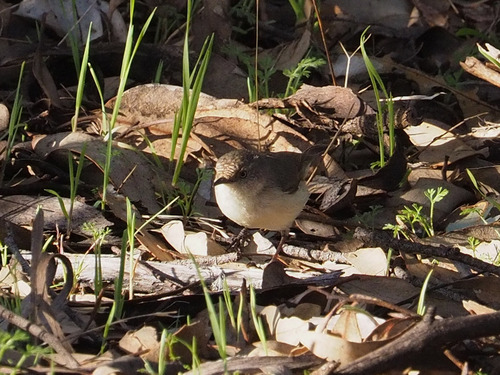 western thornbill
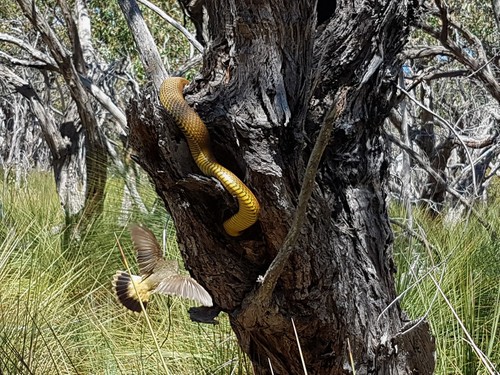 buff-rumped thornbill
Em resumo
A maneira mais confiável de separar o western thornbill do buff-rumped thornbill é a presença de um rabo distintivo de cor buff e uma ampla faixa de cauda negra com uma ponta clara no buff-rumped thornbill, que está ausente no western thornbill. O western thornbill é geralmente mais marronzado no geral, com um boné e costas marrom-acinzentados, e não apresenta contraste óbvio na região do rabo. Ambas as espécies são semelhantes em tamanho e forma, mas suas partes inferiores e a coloração do rabo são fundamentais em campo. O buff-rumped thornbill também apresenta íris brancas como adulto, enquanto a cor dos olhos do western thornbill não é notada como distintiva. O habitat pode ajudar: o western thornbill é restrito ao sudoeste da Austrália, enquanto o buff-rumped thornbill é encontrado em toda a Austrália oriental e sudeste.
Dicas de identificação
- Rabo buff (apenas buff-rumped): Procure por uma clara mancha de rabo de cor buff, especialmente quando o pássaro balança a cauda ou em voo. O western thornbill nunca mostra essa característica.
- Padrão da cauda (apenas buff-rumped): O buff-rumped thornbill tem uma ampla faixa de cauda negra com uma ponta clara, visível quando a cauda está espalhada. A cauda do western thornbill é marrom simples, sem padrão forte.
- Tom geral: O western thornbill é mais marronzado acima e abaixo, com um boné e costas marrom-acinzentados. O buff-rumped thornbill é mais simples, verde-marrom acima e mais claro, amarelo abaixo.
- Partes inferiores: O western thornbill tem uma barriga clara e cremosa; o buff-rumped thornbill é muito amarelo pálido abaixo. Isso pode ser sutil, mas é útil em boa luz.
- Cor da íris (adultos): Os buff-rumped thornbills adultos têm íris brancas, enquanto os juvenis têm olhos escuros. A cor da íris do western thornbill não é distintiva. Essa marca requer vistas próximas.
- Tamanho do grupo e comportamento: O buff-rumped thornbill frequentemente forrageia em grandes grupos barulhentos e é altamente acrobático, às vezes pendurado de cabeça para baixo. O western thornbill é menos frequentemente encontrado em grupos grandes e vocais.
- Estilo de voo: O buff-rumped thornbill mostra um voo ondulante, típico dos thornbills, mas isso não é único o suficiente para separá-lo do western thornbill.
- Habitat e distribuição: O western thornbill é encontrado apenas no sudoeste da Austrália; o buff-rumped thornbill está no leste e sudeste. Se visto fora dessas áreas, reconsidere a identificação.
- Formato do bico: Ambos têm bicos finos e pontudos, típicos dos thornbills; o formato do bico não é um separador.
- Sem diferenças sazonais ou baseadas em sexo na plumagem: Ambos os sexos e todas as estações parecem semelhantes em ambas as espécies, então não confie no tempo do ano ou no sexo para separação.
- Voz: O buff-rumped thornbill é muito vocal, com um chamado rápido e repetido; o chamado do western thornbill não é descrito, então use o chamado do buff-rumped como uma pista positiva apenas.
- Cor da íris juvenil: Se você ver um pássaro com um rabo buff e olhos escuros, é um juvenil buff-rumped thornbill; o western thornbill não mostra essa combinação.
- Balanço da cauda: Observe o comportamento de balançar a cauda para expor o rabo e o padrão da cauda no buff-rumped thornbill.
- Sem marcas de painel de asa ou penas de voo: Nenhuma das espécies mostra painéis de asa ou padrões de penas de voo distintos em qualquer idade, então não confie no padrão da asa para separação.
- Evite confusão com outros thornbills: Ambas as espécies são mais facilmente confundidas entre si do que com outros Acanthiza, mas sempre verifique o rabo buff e a faixa da cauda para confirmar o buff-rumped.
Tamanho
Ambas as espécies são muito semelhantes em tamanho, medindo cerca de 8–10 cm de comprimento e pesando 6–8 gramas. Não há diferença de tamanho confiável para separá-las em campo; ambas são thornbills pequenas e ativas com bicos finos e pontudos. Use a plumagem e a cor do rabo em vez do tamanho para identificação.
Plumagem
- Marcas juvenis/imaturas: Para o buff-rumped thornbill, os juvenis têm olhos escuros, enquanto os adultos têm íris brancas. Essa cor da íris pode ser vista de perto, mas nem sempre é visível em campo. Nenhum padrão específico de asa ou parte superior imatura é descrito para ambas as espécies, então concentre-se no rabo e na cauda.
- Rabo e cauda: O buff-rumped thornbill sempre mostra um rabo claro de cor buff e uma cauda com uma ampla faixa negra e ponta clara, visível tanto empoleirado quanto em voo. O western thornbill não apresenta nenhum padrão contrastante na região do rabo ou da cauda, aparecendo mais uniformemente marronzado.
- Partes superiores: O western thornbill tem um boné e costas marrom-acinzentados, com um tom geral mais marronzado. O buff-rumped thornbill é mais simples, verde-marrom acima.
- Partes inferiores: O western thornbill tem uma barriga clara e cremosa, enquanto as partes inferiores do buff-rumped thornbill são muito amarelas pálidas.
- Nenhuma diferença sazonal ou baseada em sexo na plumagem é notada para ambas as espécies.
Comportamento
O buff-rumped thornbill é frequentemente visto em grupos falantes de até 20 ou mais, forrageando acrobaticamente e às vezes pendurado de cabeça para baixo. Eles são conhecidos por seu twitter contínuo e voo rápido e ondulante. O comportamento do western thornbill é menos especificamente descrito, mas como um típico thornbill, é provável que seja ativo e social, embora não seja notado por grupos grandes e barulhentos como o buff-rumped thornbill. Ambas as espécies são insetívoras e forrageiam na folhagem.
Habitat
O western thornbill é endêmico do sudoeste da Austrália, preferindo florestas abertas, florestas de karri e jarrah, jardins e arbustos costeiros. O buff-rumped thornbill é encontrado na Austrália oriental e sudeste, habitando florestas secas de esclerófilas e florestas abertas de eucalipto com sub-bosque esparso. Se você estiver fora do sudoeste da Austrália, é muito mais provável encontrar o buff-rumped thornbill; inversamente, o buff-rumped thornbill não ocorre no extremo sudoeste.
Voz
O buff-rumped thornbill é altamente vocal, com um chamado rápido 'pitta-pitta-pitta-pit' e twitter contínuo enquanto forrageia. As vocalizações do western thornbill não são descritas nas notas disponíveis, então a voz não é um separador confiável, a menos que os chamados distintivos do buff-rumped sejam ouvidos.
western thornbill · buff-rumped thornbill · Minhas aves difíceis