Kaap-Leeuwindoornsnavel vs Vaalstuitdoornsnavel
Acanthiza inornata versus Acanthiza reguloides
Speel een quiz met Kaap-Leeuwindoornsnavel en Vaalstuitdoornsnavel
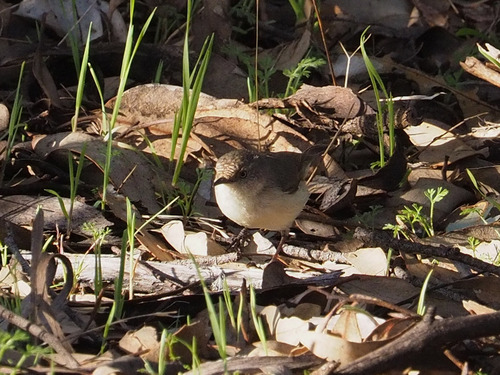 Kaap-Leeuwindoornsnavel
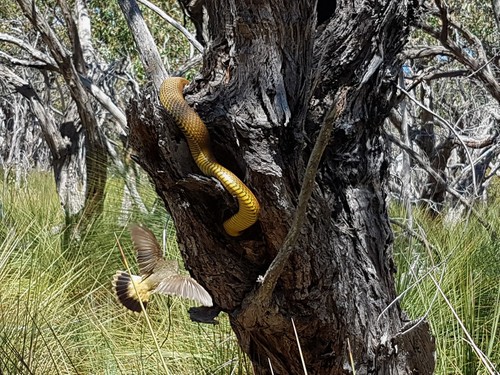 Vaalstuitdoornsnavel
Kort gezegd
De meest betrouwbare manier om de Kaap-Leeuwindoornsnavel van de Vaalstuitdoornsnavel te scheiden, is de aanwezigheid van een kenmerkende vaalgekleurde stuit en een brede zwartachtige staartband met een bleke punt op de Vaalstuitdoornsnavel, die afwezig is bij de Kaap-Leeuwindoornsnavel. De Kaap-Leeuwindoornsnavel is over het algemeen bruiner, met een grijsgroene pet en rug, en mist enige duidelijke contrast in de stuit. Beide soorten zijn vergelijkbaar in grootte en vorm, maar hun onderzijde en stuitkleur zijn cruciaal in het veld. De Vaalstuitdoornsnavel heeft ook witte irissen als volwassene, terwijl de oogkleur van de Kaap-Leeuwindoornsnavel niet als kenmerkend wordt genoteerd. Habitat kan helpen: de Kaap-Leeuwindoornsnavel is beperkt tot het zuidwesten van Australië, terwijl de Vaalstuitdoornsnavel voorkomt in het oosten en zuidoosten van Australië.
Herkenningstips
- Vaal stuit (alleen Vaalstuitdoornsnavel): Zoek naar een duidelijke vaalgekleurde stuitvlek, vooral wanneer de vogel zijn staart flikkert of in de vlucht is. De Kaap-Leeuwindoornsnavel toont deze eigenschap nooit.
- Staartpatroon (alleen Vaalstuitdoornsnavel): De Vaalstuitdoornsnavel heeft een brede zwartachtige staartband met een bleke punt, zichtbaar wanneer de staart is uitgespreid. De staart van de Kaap-Leeuwindoornsnavel is eenvoudig bruinachtig zonder sterk patroon.
- Algemene toon: De Kaap-Leeuwindoornsnavel is bruiner boven en onder, met een grijsgroene pet en rug. De Vaalstuitdoornsnavel is eenvoudiger groenachtig-bruin boven en bleker geelachtig onder.
- Onderzijde: De Kaap-Leeuwindoornsnavel heeft een romige bleke buik; de Vaalstuitdoornsnavel is zeer bleekgeel onder. Dit kan subtiel zijn, maar is nuttig bij goed licht.
- Iris kleur (volwassenen): Volwassen Vaalstuitdoornsnavels hebben witte irissen, terwijl juvenielen donkere ogen hebben. De iris kleur van de Kaap-Leeuwindoornsnavel is niet kenmerkend. Dit kenmerk vereist dichtbijzicht.
- Groepsgrootte en gedrag: De Vaalstuitdoornsnavel foerageert vaak in grote, luidruchtige groepen en is zeer acrobatisch, soms ondersteboven hangend. De Kaap-Leeuwindoornsnavel is minder vaak in zulke grote, vocale groepen.
- Vluchtstijl: De Vaalstuitdoornsnavel toont golvende vlucht, typisch voor doornsnavels, maar dit is niet uniek genoeg om te scheiden van de Kaap-Leeuwindoornsnavel.
- Habitat en verspreiding: De Kaap-Leeuwindoornsnavel wordt alleen gevonden in het zuidwesten van Australië; de Vaalstuitdoornsnavel is in het oosten en zuidoosten. Als je buiten deze gebieden wordt gezien, heroverweeg dan de identificatie.
- Snavelvorm: Beide hebben dunne, puntige snavels die typisch zijn voor doornsnavels; de snavelvorm is geen scheiding.
- Geen seizoensgebonden of geslachtsgebonden verenkleedverschillen: Beide geslachten en alle seizoenen zien er vergelijkbaar uit in beide soorten, dus vertrouw niet op het seizoen of geslacht voor scheiding.
- Stem: De Vaalstuitdoornsnavel is zeer vocaal met een snelle, herhaalde roep; de roep van de Kaap-Leeuwindoornsnavel is niet beschreven, dus gebruik de roep van de Vaalstuitdoornsnavel alleen als een positieve aanwijzing.
- Juveniele iris kleur: Als je een vogel ziet met een vaal stuit en donkere ogen, is het een juvenile Vaalstuitdoornsnavel; de Kaap-Leeuwindoornsnavel toont deze combinatie niet.
- Staartflikkeren: Let op het flikkeren van de staart om de stuit en staartpatroon in de Vaalstuitdoornsnavel bloot te leggen.
- Geen vleugelpanelen of vluchtveerverschillen: Geen van beide soorten toont kenmerkende vleugelpanelen of vluchtveermotieven in enige leeftijd, dus vertrouw niet op het vleugelpatroon voor scheiding.
- Vermijd verwarring met andere doornsnavels: Beide soorten zijn gemakkelijker met elkaar te verwarren dan met andere Acanthiza, maar controleer altijd op de vaal stuit en staartband om de Vaalstuitdoornsnavel te bevestigen.
Grootte
Beide soorten zijn zeer vergelijkbaar in grootte, elk ongeveer 8–10 cm lang en wegen 6–8 gram. Er is geen betrouwbare grootteverschil om ze in het veld te scheiden; beide zijn kleine, actieve doornsnavels met dunne, puntige snavels. Gebruik verenkleed en stuitkleur in plaats van grootte voor identificatie.
Verenkleed
- Juveniele/onvolwassen kenmerken: Voor de Vaalstuitdoornsnavel hebben juvenielen donkere ogen, terwijl volwassenen witte irissen hebben. Deze iris kleur kan van dichtbij worden gezien, maar is niet altijd zichtbaar in het veld. Er is geen specifiek onvolwassen vleugel- of bovendeelpatroon beschreven voor beide soorten, dus concentreer je op stuit en staart.
- Stuit en staart: De Vaalstuitdoornsnavel toont altijd een duidelijke vaalgekleurde stuit en een staart met een brede zwartachtige band en bleke punt, zichtbaar zowel zittend als in de vlucht. De Kaap-Leeuwindoornsnavel mist enige contrasterende stuit of staartpatroon, en lijkt meer uniform bruinachtig.
- Bovenzijde: De Kaap-Leeuwindoornsnavel heeft een grijsgroene pet en rug, met een over het algemeen bruiner totaal. De Vaalstuitdoornsnavel is eenvoudiger groenachtig-bruin boven.
- Onderzijde: De Kaap-Leeuwindoornsnavel heeft een romige bleke onderbuik, terwijl de onderzijde van de Vaalstuitdoornsnavel zeer bleekgeel is.
- Geen seizoensgebonden of geslachtsgebonden verenkleedverschillen zijn genoteerd voor beide soorten.
Gedrag
De Vaalstuitdoornsnavel wordt vaak gezien in praatgrage groepen van tot 20 of meer, die vaak acrobatisch foerageren en soms ondersteboven hangen. Ze staan bekend om hun continue getwitter en snelle, golvende vlucht. Het gedrag van de Kaap-Leeuwindoornsnavel is minder specifiek beschreven, maar als een typische doornsnavel, is het waarschijnlijk actief en sociaal, hoewel niet genoteerd voor de grote, luidruchtige groepen van de Vaalstuitdoornsnavel. Beide soorten zijn insecteneters en foerageren in het loof.
Habitat
De Kaap-Leeuwindoornsnavel is endemisch in het zuidwesten van Australië, met voorkeur voor open bossen, karri- en jarrahbossen, tuinen en kuststruweel. De Vaalstuitdoornsnavel komt voor in het oosten en zuidoosten van Australië, en bewoont droge sclerofiele bossen en open eucalyptusbossen met een spaarzame ondergroei. Als je buiten het zuidwesten van Australië bent, is de Vaalstuitdoornsnavel veel waarschijnlijker; omgekeerd komt de Vaalstuitdoornsnavel niet voor in het verre zuidwesten.
Geluid
De Vaalstuitdoornsnavel is zeer vocaal, met een snelle 'pitta-pitta-pitta-pit' roep en continue getwitter terwijl hij foerageert. De vocalisaties van de Kaap-Leeuwindoornsnavel zijn niet beschreven in de beschikbare notities, dus de stem is geen betrouwbare scheiding tenzij de kenmerkende roepen van de Vaalstuitdoornsnavel worden gehoord.
Kaap-Leeuwindoornsnavel · Vaalstuitdoornsnavel · Mijn lastige vogels