
green-backed hillstar vs patinho-de-coroa-branca
Urochroa leucura versus Platyrinchus platyrhynchos
Jogue um quiz com green-backed hillstar e patinho-de-coroa-branca
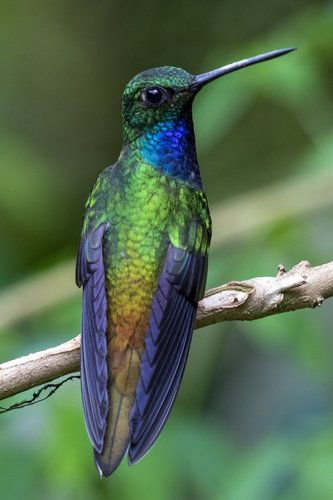 green-backed hillstar
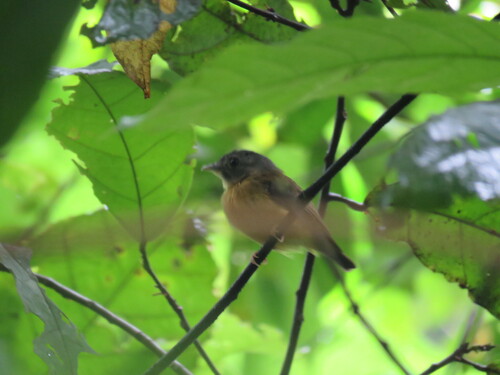 patinho-de-coroa-branca
Em resumo
A marca de campo mais confiável para separar o green-backed hillstar do patinho-de-coroa-branca é a estrutura geral: o hillstar é um beija-flor esguio e de tamanho médio-grande, com um bico longo e reto e uma garganta azul iridescente, enquanto o patinho é um pequeno pega-moscas de corpo arredondado, com um bico enorme, plano e largo e uma distinta mancha branca na coroa (frequentemente oculta). As plumagens juvenis não criam confusão, pois ambas as espécies são semelhantes aos adultos, com apenas diferenças sutis. Em voo ou empoleirado, a cauda com bordas brancas do hillstar e as partes superiores verde-bronze contrastam fortemente com as partes superiores marrom-rúfio e as partes inferiores ocres do patinho. O habitat e o comportamento também são pistas fortes: os hillstars pairam e se alimentam em flores, enquanto os patinhos se empoleiram silenciosamente no sub-bosque da floresta e saem para pegar insetos.
Dicas de identificação
- A forma do bico é a verificação mais rápida: O green-backed hillstar tem um bico longo, reto e esguio, típico dos beija-flores; o patinho-de-coroa-branca tem um bico muito largo, plano e em forma de pá, com uma mandíbula superior preta e uma mandíbula inferior pálida. Isso é óbvio mesmo à distância.
- Estrutura do corpo: O hillstar é esguio, alongado e de cauda longa; o patinho é compacto, de corpo arredondado e de cauda curta, com uma cabeça desproporcionalmente grande.
- Padrão da cauda: O hillstar apresenta penas da cauda externas brancas com penas centrais bronzeadas; a cauda do patinho é uniformemente marrom escuro e curta.
- Cor das partes superiores: O hillstar é verde-bronze por cima; o patinho é marrom-rúfio por cima.
- Garganta e peito: O hillstar tem uma garganta e peito azuis iridescentes; o patinho tem uma garganta branca e partes inferiores ocres brilhantes.
- Mancha na coroa: O patinho pode mostrar uma mancha branca na coroa parcialmente oculta (menor nas fêmeas), nunca presente no hillstar.
- Marcas juvenis: Os juvenis do hillstar têm bordas amareladas nas penas da cabeça e uma malar amarelada fraca, mas de outra forma se assemelham aos adultos; os juvenis do patinho não são descritos como diferentes dos adultos em marcas de campo.
- Diferenças sexuais: Ambas as espécies são sexualmente semelhantes, mas as fêmeas de hillstar são mais apagadas, e as fêmeas de patinho têm uma mancha branca na coroa menor.
- Estilo de voo: O hillstar paira e se lança em direção às flores; o patinho se empoleira e faz saídas curtas e diretas para pegar insetos.
- Habitat: O hillstar é encontrado em florestas montanas (principalmente acima de 1.600 m); o patinho é um especialista do sub-bosque de baixadas/encostas (principalmente abaixo de 1.100 m).
- Comportamento de empoleiramento: O patinho se senta silenciosamente, muitas vezes baixo no sub-bosque; o hillstar é mais provável de ser visto em flores ou empoleirado brevemente entre as refeições.
- Voz: O hillstar emite notas altas e repetidas de 'tseee' ou 'twit'; os chamados do patinho não são descritos aqui, mas provavelmente não são semelhantes.
- Cor das pernas: O patinho tem pernas e pés amarelo-rosados; a cor das pernas do hillstar não é descrita, mas não é uma marca de campo.
- Sobreposição de distribuição: Ambas podem ocorrer na Colômbia, Equador e Peru, mas raramente no mesmo microhabitat ou elevação.
- Armadilhas comuns: Vistas distantes e contra a luz podem obscurecer a garganta azul do hillstar ou a mancha branca na coroa do patinho; confie na estrutura e na forma do bico em pouca luz.
Tamanho
O patinho-de-coroa-branca é ligeiramente mais pesado (cerca de 12 g) do que o green-backed hillstar (aproximadamente 8,7 g), mas o hillstar é mais longo (13–14 cm vs. 10,5–12 cm). No campo, o hillstar parece mais alongado, com um bico e cauda mais longos, enquanto o patinho é compacto, de cauda curta e cabeça grande. O bico do patinho é notavelmente largo e plano, ao contrário do bico esguio e reto do hillstar.
Plumagem
-
Juvenis: Os juvenis de ambas as espécies se assemelham aos adultos. Os juvenis do green-backed hillstar mostram bordas amareladas nas penas da cabeça e uma malar amarelada fraca, mas mantêm as partes superiores verde-bronze, a garganta azul e a cauda com bordas brancas. Os juvenis do patinho não são descritos em detalhes, mas nenhuma evidência sugere que eles diferem marcadamente dos adultos em marcas de campo relevantes para confusão.
-
Adultos: O green-backed hillstar tem partes superiores verde-bronze, uma garganta e peito azuis iridescentes, barriga cinza opaca e uma cauda com penas centrais bronzeadas e penas externas brancas com bordas cinza-escuras. Os sexos são semelhantes, com fêmeas ligeiramente mais apagadas. Os adultos do patinho-de-coroa-branca têm partes superiores marrom-rúfio, uma cabeça cinza com uma coroa escura, uma mancha branca na coroa parcialmente oculta (menor nas fêmeas), garganta branca e partes inferiores ocres brilhantes. As asas e a cauda deles são marrom escuro. O bico do patinho é notavelmente largo e plano, com uma mandíbula superior preta e uma mandíbula inferior pálida.
-
Cauda: A cauda do hillstar é mais longa e mostra branco com penas centrais bronzeadas; a cauda do patinho é curta, marrom escura e nunca mostra branco.
Comportamento
O green-backed hillstar é um beija-flor ativo e que paira, geralmente forrageando em flores nas camadas inferiores e médias da floresta, às vezes defendendo territórios de alimentação. Ele pode ocasionalmente sair para pegar insetos. Em contraste, o patinho-de-coroa-branca se empoleira silenciosamente no sub-bosque da floresta, fazendo saídas curtas para pegar insetos, e raramente é visto em flores. Os movimentos do patinho são mais deliberados e menos frenéticos do que os do hillstar. Durante a exibição, os machos do patinho realizam um voo de asas zumbidoras, mas isso é raramente visto.
Habitat
O green-backed hillstar habita o interior e as bordas de florestas montanas maduras e florestas secundárias, e encostas arbustivas, principalmente a uma elevação de 1.600–2.800 m (mais baixo no Peru). Ele é tipicamente encontrado perto de riachos na encosta leste dos Andes na Colômbia, Equador e NE do Peru. O patinho-de-coroa-branca é uma espécie de baixada e encosta (nível do mar a 1.100 m), encontrado no sub-bosque de florestas de terra firme úmidas, especialmente em solos arenosos, em uma ampla faixa amazônica e guianense. A sobreposição é possível apenas em florestas de encosta da Colômbia, Equador e Peru, mas o hillstar é uma espécie montana, enquanto o patinho é um pássaro do sub-bosque de baixada/encosta.
Voz
O green-backed hillstar emite uma série contínua de notas únicas, altas de 'tseee', 'tsing' ou 'seeuw', e um 'twit' líquido repetido em longas sequências. As vocalizações do patinho-de-coroa-branca não são descritas aqui, mas como um pega-moscas tirano, seus chamados provavelmente são curtos, agudos e menos musicais do que os do hillstar. As vocalizações não são a separação mais confiável em campo, a menos que as notas altas e repetidas do hillstar sejam ouvidas.
green-backed hillstar · patinho-de-coroa-branca · Minhas aves difíceis