
Reinita Castaña vs Reinita de Pensilvania
Setophaga castanea frente a Setophaga pensylvanica
Juega un quiz con Reinita Castaña y Reinita de Pensilvania
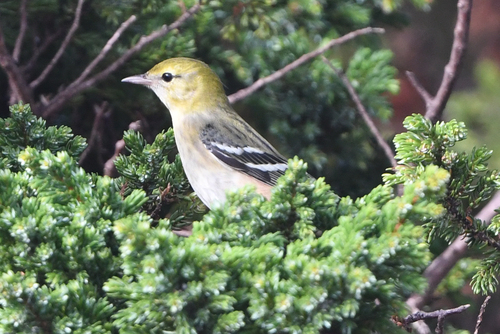 Reinita Castaña
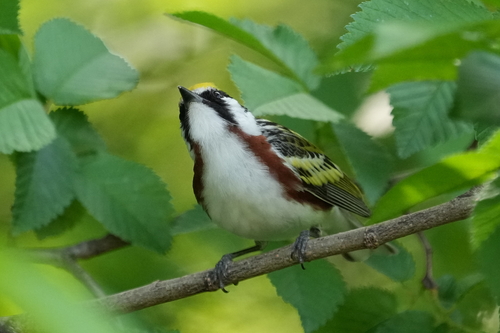 Reinita de Pensilvania
En breve
La Reinita Castaña y la Reinita de Pensilvania se pueden distinguir por su plumaje en la temporada de cría: la Reinita Castaña tiene un pecho de color castaño distintivo, mientras que la Reinita de Pensilvania presenta flancos castaños. Fuera de la temporada de cría, pueden ser más difíciles de diferenciar debido a su plumaje básico similar.
Consejos de identificación
- Plumaje de cría: Busca el pecho de color castaño de la Reinita Castaña frente a los flancos castaños de la Reinita de Pensilvania.
- Plumaje no reproductivo: Ten cuidado, ya que ambas especies pueden parecer similares.
- Comportamiento: Observa el comportamiento activo de forrajeo de la Reinita de Pensilvania y su postura con la cola levantada.
- Vocalizaciones: Escucha los patrones de canto distintivos de la Reinita de Pensilvania.
Plumaje
En plumaje de cría, la Reinita Castaña tiene un pecho y flancos de color castaño, mientras que la Reinita de Pensilvania muestra flancos castaños con un vientre blanco y una corona amarilla. Los plumajes no reproductivos y juveniles son más similares, lo que dificulta la identificación.
Comportamiento
Ambas especies son insectívoras y pueden consumir fruta en sus áreas de invernada. La Reinita de Pensilvania es conocida por su comportamiento activo de forrajeo, a menudo moviéndose con la cola levantada.
Voz
La Reinita de Pensilvania tiene dos clases de canto distintas, incluyendo la conocida canción 'please, please, pleased to' utilizada para atraer hembras. No se detallan vocalizaciones específicas para la Reinita Castaña.
Reinita Castaña · Reinita de Pensilvania · Mis aves difíciles