
Bay-breasted Warbler vs Chestnut-sided Warbler
Setophaga castanea contro Setophaga pensylvanica
Fai un quiz con Bay-breasted Warbler e Chestnut-sided Warbler
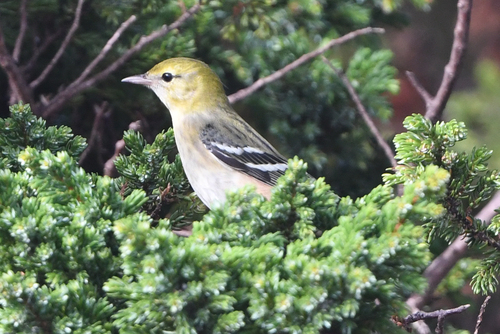 Bay-breasted Warbler
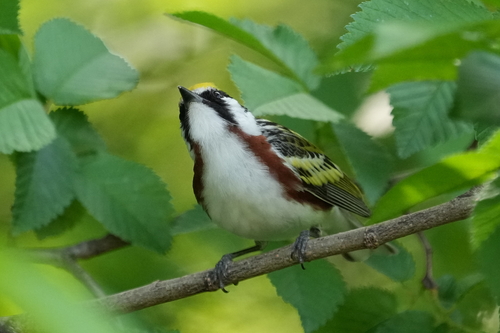 Chestnut-sided Warbler
In breve
Il Bay-breasted Warbler e il Chestnut-sided Warbler possono essere distinti dal loro piumaggio durante la stagione di nidificazione: il Bay-breasted Warbler ha un petto di colore bay distintivo, mentre il Chestnut-sided Warbler presenta fianchi castani. Al di fuori della stagione di nidificazione, possono essere più difficili da differenziare a causa del piumaggio di base simile.
Consigli di identificazione
- Breeding plumage: Cerca il petto di colore bay del Bay-breasted Warbler rispetto ai fianchi castani del Chestnut-sided Warbler.
- Nonbreeding plumage: Fai attenzione, poiché entrambe le specie possono apparire simili.
- Behavior: Nota il comportamento di foraggiamento attivo del Chestnut-sided Warbler e la postura con la coda sollevata.
- Vocalizations: Ascolta i modelli di canto distintivi del Chestnut-sided Warbler.
Piumaggio
Nel piumaggio di nidificazione, il Bay-breasted Warbler ha un petto e fianchi di colore bay, mentre il Chestnut-sided Warbler mostra fianchi castani con un ventre bianco e una corona gialla. I piumaggi non di nidificazione e giovanili sono più simili, rendendo difficile l'identificazione.
Comportamento
Entrambe le specie sono insetti voraci e possono consumare frutta nei loro terreni invernali. Il Chestnut-sided Warbler è noto per il suo comportamento di foraggiamento attivo, spesso muovendosi con la coda sollevata.
Voce
Il Chestnut-sided Warbler ha due classi di canto distinte, incluso il noto canto 'please, please, pleased to' usato per attrarre le femmine. Le vocalizzazioni specifiche per il Bay-breasted Warbler non sono dettagliate.
Bay-breasted Warbler · Chestnut-sided Warbler · I miei uccelli difficili