
mariquita-de-peito-castanho vs mariquita-de-flancos-castanhos
Setophaga castanea versus Setophaga pensylvanica
Jogue um quiz com mariquita-de-peito-castanho e mariquita-de-flancos-castanhos
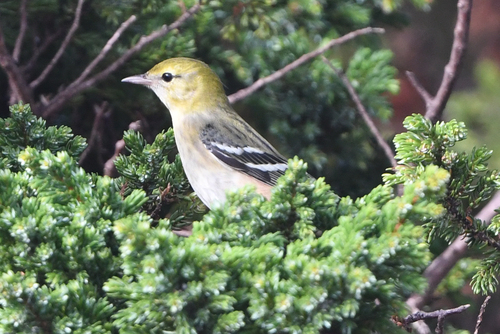 mariquita-de-peito-castanho
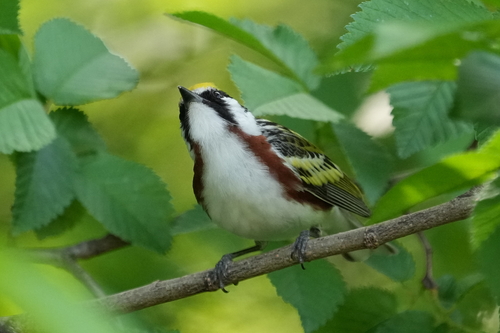 mariquita-de-flancos-castanhos
Em resumo
A mariquita-de-peito-castanho e a mariquita-de-flancos-castanhos podem ser distinguidas pela plumagem na época de reprodução: a mariquita-de-peito-castanho tem um peito de cor castanha distinta, enquanto a mariquita-de-flancos-castanhos apresenta flancos castanhos. Fora da época de reprodução, pode ser mais desafiador diferenciá-las devido à plumagem básica semelhante.
Dicas de identificação
- Plumagem de reprodução: Procure pelo peito de cor castanha da mariquita-de-peito-castanho em comparação com os flancos castanhos da mariquita-de-flancos-castanhos.
- Plumagem não reprodutiva: Tenha cuidado, pois ambas as espécies podem parecer semelhantes.
- Comportamento: Note o comportamento de forrageio ativo da mariquita-de-flancos-castanhos e sua postura com a cauda levantada.
- Vocalizações: Ouça os padrões de canto distintos da mariquita-de-flancos-castanhos.
Plumagem
Na plumagem de reprodução, a mariquita-de-peito-castanho tem um peito e flancos de cor castanha, enquanto a mariquita-de-flancos-castanhos exibe flancos castanhos com uma barriga branca e uma coroa amarela. As plumagens não reprodutivas e juvenis são mais semelhantes, tornando a identificação difícil.
Comportamento
Ambas as espécies são insetívoras e podem consumir frutas em seus locais de invernada. A mariquita-de-flancos-castanhos é conhecida por seu comportamento ativo de forrageio, frequentemente se movendo com a cauda levantada.
Voz
A mariquita-de-flancos-castanhos tem duas classes de canto distintas, incluindo a famosa canção 'please, please, pleased to' usada para atrair fêmeas. Vocalizações específicas da mariquita-de-peito-castanho não são detalhadas.
mariquita-de-peito-castanho · mariquita-de-flancos-castanhos · Minhas aves difíceis