
Copetón Tiranillo vs Chingolo Zorruno
Myiarchus tyrannulus frente a Passerella iliaca
Juega un quiz con Copetón Tiranillo y Chingolo Zorruno
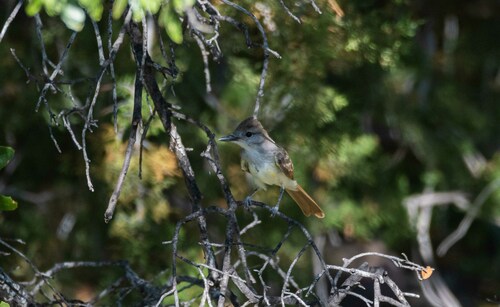 Copetón Tiranillo
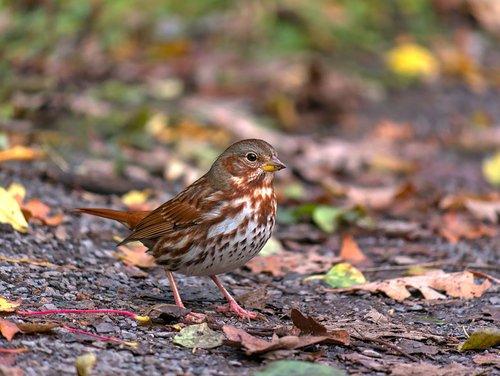 Chingolo Zorruno
En breve
El Copetón Tiranillo y el Chingolo Zorruno son distintos en estructura y hábitat. El tiranillo es un ave que habita en el dosel con un pico fuerte y ligeramente curvado, mientras que el chingolo es una especie que habita en el suelo con un pico cónico adecuado para comer semillas. Las vocalizaciones son críticas para identificar al tiranillo, mientras que el chingolo es más a menudo reconocido por su comportamiento tímido y preferencia por la vegetación densa.
Consejos de identificación
- Busca el Copetón Tiranillo en el dosel con un pico fuerte y ligeramente curvado. 2. Observa el Chingolo Zorruno en el suelo o en vegetación densa con un pico cónico. 3. Escucha las vocalizaciones distintivas del tiranillo para confirmar la identificación.
Tamaño
El Copetón Tiranillo es generalmente más grande con un cuerpo más robusto en comparación con el más pequeño y compacto Chingolo Zorruno.
Plumaje
El Copetón Tiranillo tiene un plumaje marrón más uniforme con variaciones sutiles, mientras que el Chingolo Zorruno exhibe más variación, a menudo con tonos rojizos o de pizarra dependiendo de la subespecie.
Comportamiento
El Copetón Tiranillo se encuentra a menudo en el dosel, siendo más secreto y anidando en cavidades, mientras que el Chingolo Zorruno es tímido y prefiere vegetación densa y baja.
Hábitat
El Copetón Tiranillo habita en regiones tropicales y subtropicales, a menudo en bosques abiertos, mientras que el Chingolo Zorruno prefiere áreas densas y arbustivas, a menudo en regiones templadas.
Voz
Las vocalizaciones son un identificador clave para el Copetón Tiranillo, con menos variación geográfica, mientras que la canción del Chingolo Zorruno es menos enfatizada en la identificación.