
maria-cavaleira-de-rabo-enferrujado vs tico-tico-raposino
Myiarchus tyrannulus versus Passerella iliaca
Jogue um quiz com maria-cavaleira-de-rabo-enferrujado e tico-tico-raposino
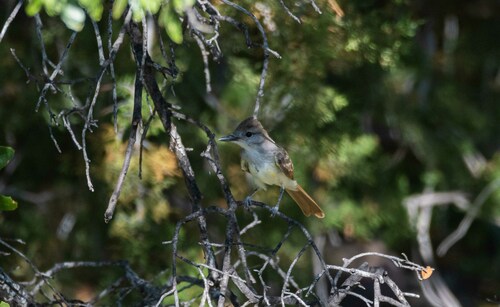 maria-cavaleira-de-rabo-enferrujado
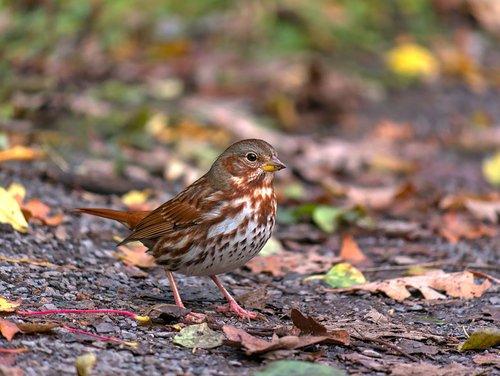 tico-tico-raposino
Em resumo
A maria-cavaleira-de-rabo-enferrujado e o tico-tico-raposino são distintos em estrutura e habitat. A maria-cavaleira é uma ave que habita a copa das árvores, com um bico forte e levemente curvado, enquanto o tico-tico é uma espécie que habita o solo, com um bico cônico adequado para se alimentar de sementes. As vocalizações são críticas para identificar a maria-cavaleira, enquanto o tico-tico é mais frequentemente reconhecido por seu comportamento tímido e preferência por vegetação densa.
Dicas de identificação
- Procure a maria-cavaleira-de-rabo-enferrujado na copa das árvores com um bico forte e levemente curvado. 2. Encontre o tico-tico-raposino no solo ou em vegetação densa com um bico cônico. 3. Ouça as vocalizações distintas da maria-cavaleira para confirmar a identificação.
Tamanho
A maria-cavaleira-de-rabo-enferrujado é geralmente maior, com um corpo mais robusto em comparação ao tico-tico-raposino, que é menor e mais compacto.
Plumagem
A maria-cavaleira-de-rabo-enferrujado tem uma plumagem marrom mais uniforme com variações sutis, enquanto o tico-tico-raposino exibe mais variação, frequentemente com tons avermelhados ou de ardósia, dependendo da subespécie.
Comportamento
A maria-cavaleira-de-rabo-enferrujado é frequentemente encontrada na copa das árvores, sendo mais secreta e nidificando em cavidades, enquanto o tico-tico-raposino é tímido e prefere vegetação densa e baixa.
Habitat
A maria-cavaleira-de-rabo-enferrujado habita regiões tropicais e subtropicais, frequentemente em florestas abertas, enquanto o tico-tico-raposino prefere áreas densas e arbustivas, frequentemente em regiões temperadas.
Voz
As vocalizações são um identificador chave para a maria-cavaleira-de-rabo-enferrujado, com menos variação geográfica, enquanto a canção do tico-tico-raposino é menos enfatizada na identificação.
maria-cavaleira-de-rabo-enferrujado · tico-tico-raposino · Minhas aves difíceis