
Brown-crested Flycatcher vs Passerella variabile
Myiarchus tyrannulus contro Passerella iliaca
Fai un quiz con Brown-crested Flycatcher e Passerella variabile
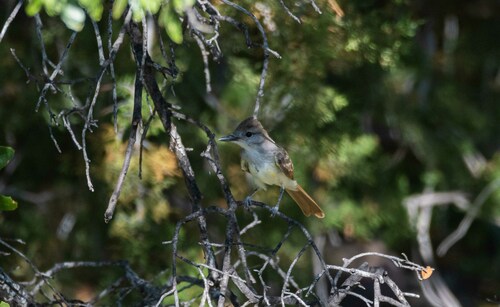 Brown-crested Flycatcher
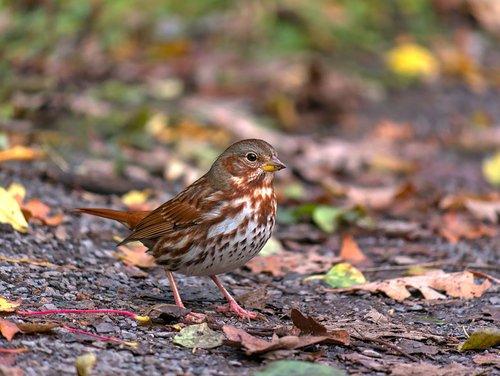 Passerella variabile
In breve
Il Brown-crested Flycatcher e il Passerella variabile sono distinti nella struttura e nell'habitat. Il flycatcher è un uccello che vive nella chioma degli alberi con un becco forte e leggermente ricurvo, mentre il passero è una specie che vive a terra con un becco conico adatto per mangiare semi. Le vocalizzazioni sono fondamentali per identificare il flycatcher, mentre il passero è più spesso riconosciuto per il suo comportamento timido e la preferenza per la vegetazione densa.
Consigli di identificazione
- Cerca il Brown-crested Flycatcher nella chioma con un becco forte e leggermente ricurvo. 2. Individua il Passerella variabile a terra o nella vegetazione densa con un becco conico. 3. Ascolta le vocalizzazioni distintive nel flycatcher per confermare l'identificazione.
Taglia
Il Brown-crested Flycatcher è generalmente più grande con un corpo più robusto rispetto al più piccolo e compatto Passerella variabile.
Piumaggio
Il Brown-crested Flycatcher ha un piumaggio marrone più uniforme con sottili variazioni, mentre il Passerella variabile mostra più variazioni, spesso con toni rossastri o color ardesia a seconda della sottospecie.
Comportamento
Il Brown-crested Flycatcher si trova spesso nella chioma, essendo più riservato e nidificante in cavità, mentre il Passerella variabile è timido e preferisce vegetazione densa e bassa.
Habitat
Il Brown-crested Flycatcher abita regioni tropicali e subtropicali, spesso in boschi aperti, mentre il Passerella variabile favorisce aree dense e cespugliose, spesso in regioni temperate.
Voce
Le vocalizzazioni sono un identificatore chiave per il Brown-crested Flycatcher, con meno variazione geografica, mentre il canto del Passerella variabile è meno enfatizzato nell'identificazione.
Brown-crested Flycatcher · Passerella variabile · I miei uccelli difficili