
Bisbita Gorjigualdo vs Serín Frentiamarillo
Macronyx croceus frente a Crithagra mozambica
Juega un quiz con Bisbita Gorjigualdo y Serín Frentiamarillo
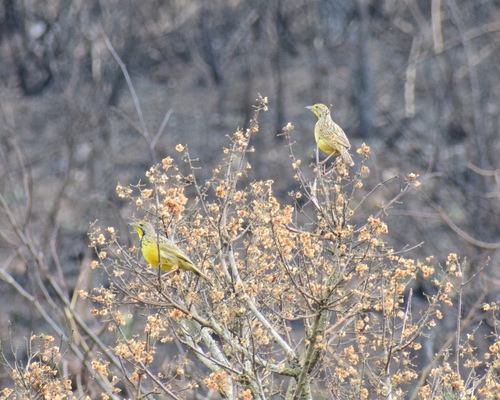 Bisbita Gorjigualdo
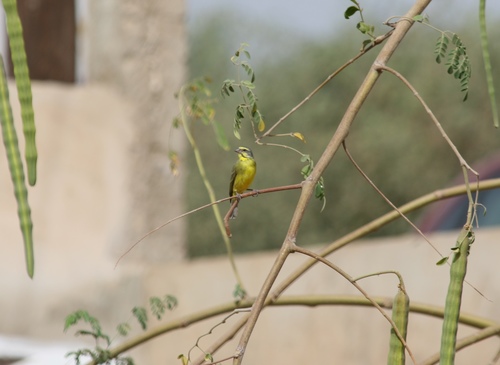 Serín Frentiamarillo
En breve
La marca de campo más confiable para distinguir el Bisbita Gorjigualdo del Serín Frentiamarillo es el color de la garganta. El Bisbita Gorjigualdo tiene una garganta amarilla brillante con un distintivo collar negro, mientras que el Serín Frentiamarillo presenta una cara amarilla con un patrón de garganta menos definido. Estas especies difieren significativamente en estructura, con el Bisbita teniendo una cola y patas más largas adecuadas para sus hábitos terrestres.
Consejos de identificación
Busque el collar negro en la garganta amarilla del Bisbita Gorjigualdo como un identificador clave. Note el tamaño más grande y las patas más largas del Bisbita en comparación con el Serín. Observe el comportamiento: los Bisbitas suelen estar en el suelo, mientras que los Serines son más arbóreos.
Tamaño
El Bisbita Gorjigualdo es generalmente más grande con una cola y patas más largas en comparación con el más pequeño y compacto Serín Frentiamarillo.
Plumaje
El Bisbita Gorjigualdo tiene una garganta amarilla brillante con un prominente collar negro, contrastando con su parte superior marrón estriada. En contraste, el Serín Frentiamarillo tiene una cara amarilla y partes inferiores, pero carece del collar negro, y sus partes superiores son más uniformemente verdosas.
Comportamiento
El Bisbita Gorjigualdo se ve a menudo caminando por el suelo o posándose en vegetación baja, mientras que el Serín Frentiamarillo es más probable que se observe en bandadas, a menudo posándose en árboles o arbustos.
Hábitat
Los Bisbitas Gorjigualdo se encuentran típicamente en praderas abiertas y sabanas, mientras que los Serines Frentiamarillo se asocian más comúnmente con bordes de bosques y jardines.
Bisbita Gorjigualdo · Serín Frentiamarillo · Mis aves difíciles