
Sentinelle à gorge jaune vs Serin du Mozambique
Macronyx croceus contre Crithagra mozambica
Faire un quiz avec Sentinelle à gorge jaune et Serin du Mozambique
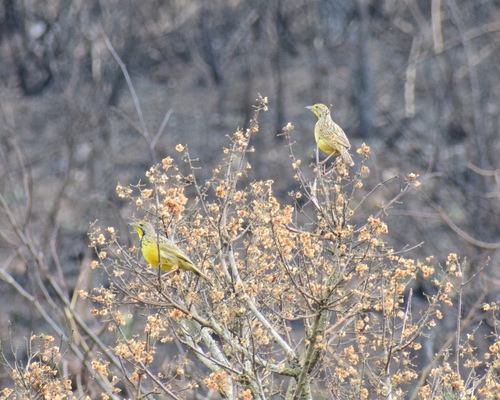 Sentinelle à gorge jaune
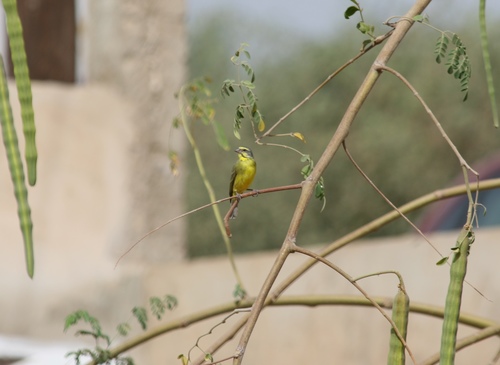 Serin du Mozambique
En bref
Le marque de terrain le plus fiable pour distinguer la Sentinelle à gorge jaune du Serin du Mozambique est la couleur de la gorge. La Sentinelle à gorge jaune a une gorge jaune vif avec un collier noir distinctif, tandis que le Serin du Mozambique présente un visage jaune avec un motif de gorge moins défini. Ces espèces diffèrent significativement en structure, la Sentinelle ayant une queue et des pattes plus longues adaptées à ses habitudes terrestres.
Conseils d’identification
Recherchez le collier noir sur la gorge jaune de la Sentinelle à gorge jaune comme un identifiant clé. Notez la taille plus grande et les pattes plus longues de la Sentinelle par rapport au Serin. Observez le comportement : les Sentinelles sont souvent au sol, tandis que les Serins sont plus arboricoles.
Taille
La Sentinelle à gorge jaune est généralement plus grande avec une queue et des pattes plus longues par rapport au plus petit et plus compact Serin du Mozambique.
Plumage
La Sentinelle à gorge jaune a une gorge jaune vif avec un collier noir proéminent, contrastant avec ses parties supérieures brun strié. En revanche, le Serin du Mozambique a un visage jaune et des parties inférieures mais manque de collier noir, et ses parties supérieures sont plus uniformément verdâtres.
Comportement
La Sentinelle à gorge jaune est souvent vue marchant sur le sol Psittirostre psittacin se perchant sur une végétation basse, tandis que le Serin du Mozambique est plus susceptible d'être observé en groupes, se perchant souvent dans des arbres Psittirostre psittacin des buissons.
Habitat
Les Sentinelles à gorge jaune se trouvent généralement dans des prairies ouvertes et des savanes, tandis que les Serins du Mozambique sont plus communément associés aux lisières de bois et aux jardins.
Sentinelle à gorge jaune · Serin du Mozambique · Mes oiseaux difficiles