
Yellow-throated Longclaw vs Yellow-fronted Canary
Macronyx croceus contro Crithagra mozambica
Fai un quiz con Yellow-throated Longclaw e Yellow-fronted Canary
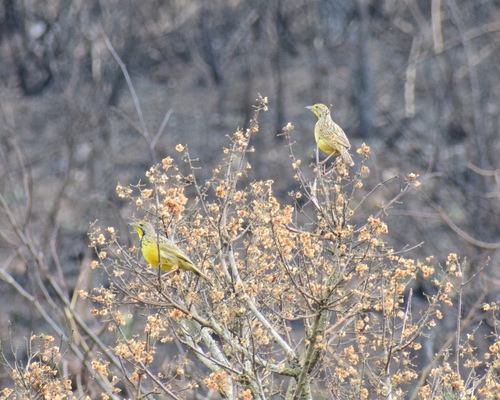 Yellow-throated Longclaw
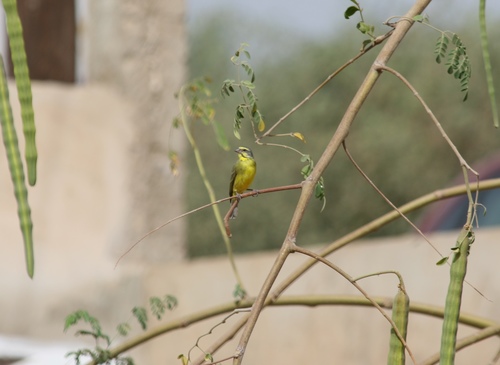 Yellow-fronted Canary
In breve
Il segno distintivo più affidabile per distinguere il Yellow-throated Longclaw dal Yellow-fronted Canary è il colore della gola. Il Yellow-throated Longclaw ha una gola gialla brillante con un distintivo collare nero, mentre il Yellow-fronted Canary presenta un volto giallo con un motivo della gola meno definito. Queste specie differiscono significativamente in struttura, con il Longclaw che ha una coda e zampe più lunghe adatte alle sue abitudini terrestri.
Consigli di identificazione
Cerca il collare nero sulla gola gialla del Yellow-throated Longclaw come identificatore chiave. Nota le dimensioni maggiori e le zampe più lunghe del Longclaw rispetto al Canary. Osserva il comportamento: i Longclaw sono spesso a terra, mentre i Canaries sono più arboricoli.
Taglia
Il Yellow-throated Longclaw è generalmente più grande con una coda e zampe più lunghe rispetto al più piccolo e compatto Yellow-fronted Canary.
Piumaggio
Il Yellow-throated Longclaw ha una gola gialla brillante con un prominente collare nero, in contrasto con le sue parti superiori marroni striate. Al contrario, il Yellow-fronted Canary ha un volto giallo e parti inferiori ma manca del collare nero, e le sue parti superiori sono più uniformemente verdastre.
Comportamento
Il Yellow-throated Longclaw è spesso visto camminare a terra o posarsi su vegetazione bassa, mentre il Yellow-fronted Canary è più probabile che venga osservato in gruppi, spesso posandosi su alberi o arbusti.
Habitat
I Yellow-throated Longclaw si trovano tipicamente in praterie aperte e savane, mentre i Yellow-fronted Canary sono più comunemente associati a margini boschivi e giardini.
Yellow-throated Longclaw · Yellow-fronted Canary · I miei uccelli difficili