
yellow-throated longclaw vs canário-de-testa-amarela
Macronyx croceus versus Crithagra mozambica
Jogue um quiz com yellow-throated longclaw e canário-de-testa-amarela
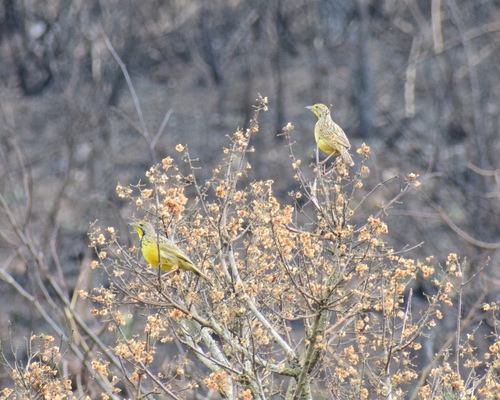 yellow-throated longclaw
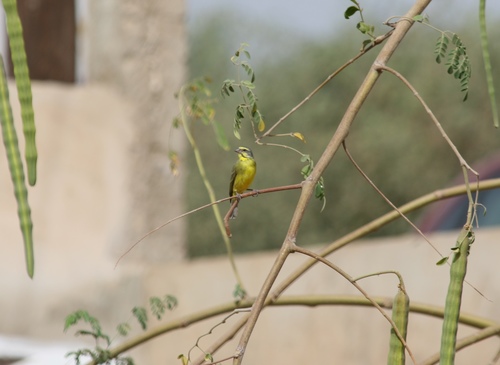 canário-de-testa-amarela
Em resumo
A marca de campo mais confiável para distinguir o yellow-throated longclaw do canário-de-testa-amarela é a cor da garganta. O yellow-throated longclaw tem uma garganta amarela brilhante com um colarinho preto distinto, enquanto o canário-de-testa-amarela apresenta um rosto amarelo com um padrão de garganta menos definido. Essas espécies diferem significativamente em estrutura, com o Longclaw tendo uma cauda e pernas mais longas adequadas para seus hábitos de vida no solo.
Dicas de identificação
Procure o colarinho preto na garganta amarela do yellow-throated longclaw como um identificador chave. Note o tamanho maior e as pernas mais longas do Longclaw em comparação com o Canário. Observe o comportamento: Longclaws estão frequentemente no chão, enquanto Canários são mais arbóreos.
Tamanho
O yellow-throated longclaw é geralmente maior, com uma cauda e pernas mais longas em comparação com o menor e mais compacto canário-de-testa-amarela.
Plumagem
O yellow-throated longclaw tem uma garganta amarela brilhante com um colarinho preto proeminente, contrastando com suas partes superiores marrons listradas. Em contraste, o canário-de-testa-amarela tem um rosto amarelo e partes inferiores, mas não possui o colarinho preto, e suas partes superiores são mais uniformemente esverdeadas.
Comportamento
O yellow-throated longclaw é frequentemente visto andando no chão ou empoleirando-se em vegetação baixa, enquanto o canário-de-testa-amarela é mais propenso a ser observado em bandos, frequentemente empoleirando-se em árvores ou arbustos.
Habitat
Yellow-throated longclaws são tipicamente encontrados em campos abertos e savanas, enquanto canários-de-testa-amarela são mais comumente associados a bordas de florestas e jardins.
yellow-throated longclaw · canário-de-testa-amarela · Minhas aves difíceis