
Phalarope à bec étroit vs Astrild à moustaches
Phalaropus lobatus contre Brunhilda erythronotos
Faire un quiz avec Phalarope à bec étroit et Astrild à moustaches
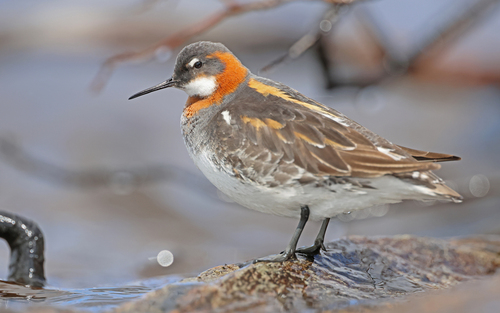 Phalarope à bec étroit
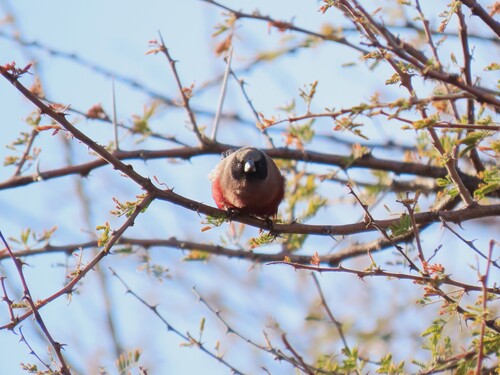 Astrild à moustaches
En bref
Le Phalarope à bec étroit et l'Astrild à moustaches se distinguent facilement par leurs habitats et leur plumage. Le phalarope est un oiseau pélagique avec un bec mince et des taches noires piratées autour des yeux, tandis que l'astrild est un oiseau terrestre avec un visage noir distinctif et des flancs rouges.
Conseils d’identification
- Habitat: Cherchez des Phalaropes à bec étroit dans des environnements marins ; les Astrilds à moustaches se trouvent sur terre.
- Plumage: Notez les taches noires autour des yeux sur le phalarope et le visage noir avec des flancs rouges sur l'astrild.
- Comportement: Observez le comportement de nourrissage en tournant du phalarope.
Taille
L'Astrild à moustaches est plus petit, mesurant 11–12 cm, comparé au corps plus mince et allongé du Phalarope à bec étroit.
Plumage
Le Phalarope à bec étroit a un corps largement blanc avec des manteaux gris et des taches noires autour des yeux, tandis que l'Astrild à moustaches présente un visage noir, des parties supérieures brun-gris avec un lavis rosé, et des flancs rouges profonds.
Comportement
Les Phalaropes à bec étroit sont connus pour tourner en cercles sur l'eau pour se nourrir, un comportement non observé chez les Astrilds à moustaches.
Habitat
Les Phalaropes à bec étroit sont pélagiques, souvent trouvés à des fronts océanographiques, tandis que les Astrilds à moustaches habitent des environnements terrestres.
Voix
L'Astrild à moustaches a un cri aigu de 'tip-tip' et une chanson sifflée de 'tee', tandis qu'aucune vocalisation spécifique n'est notée pour le Phalarope à bec étroit.
Phalarope à bec étroit · Astrild à moustaches · Mes oiseaux difficiles