
Grauwe franjepoot vs Elfenastrild
Phalaropus lobatus versus Brunhilda erythronotos
Speel een quiz met Grauwe franjepoot en Elfenastrild
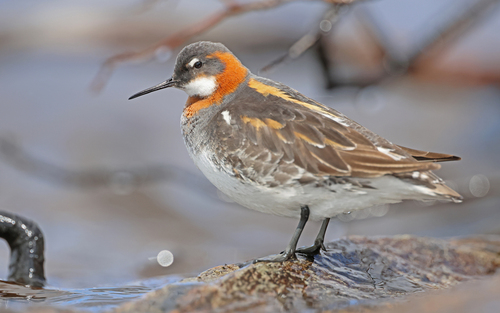 Grauwe franjepoot
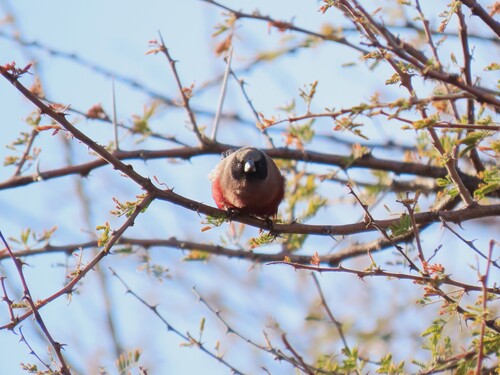 Elfenastrild
Kort gezegd
De Grauwe franjepoot en Elfenastrild zijn gemakkelijk te onderscheiden op basis van hun habitats en verenkleed. De franjepoot is een pelagische vogel met een slanke snavel en piratensymboolachtige zwarte oogvlekken, terwijl de astrild een terrestrische vogel is met een kenmerkend zwart gezicht en rode flanken.
Herkenningstips
- Habitat: Zoek naar Grauwe franjepoten in mariene omgevingen; Elfenastrilden worden op het land aangetroffen.
- Verenkleed: Let op de zwarte oogvlekken op de franjepoot en het zwarte gezicht met rode flanken op de astrild.
- Gedrag: Observeer het draaiende voergedrag van de franjepoot.
Grootte
De Elfenastrild is kleiner, met een lengte van 11–12 cm, vergeleken met het slanker en langer lichaam van de Grauwe franjepoot.
Verenkleed
De Grauwe franjepoot heeft een grotendeels wit lichaam met grijze mantels en zwarte oogvlekken, terwijl de Elfenastrild een zwart gezicht heeft, grijs-bruin bovenwerk met een roze waas, en diepe rode flanken.
Gedrag
Grauwe franjepoten staan bekend om het draaien in cirkels op het water om te voeden, een gedrag dat niet wordt gezien bij Elfenastrilden.
Habitat
Grauwe franjepoten zijn pelagisch en worden vaak aangetroffen bij oceanografische fronten, terwijl Elfenastrilden terrestrische omgevingen bewonen.
Geluid
De Elfenastrild heeft een hoge 'tip-tip' roep en een gefloten 'tee' lied, terwijl er geen specifieke vocalisatie is genoteerd voor de Grauwe franjepoot.