
Falaropo beccosottile vs Black-faced Waxbill
Phalaropus lobatus contro Brunhilda erythronotos
Fai un quiz con Falaropo beccosottile e Black-faced Waxbill
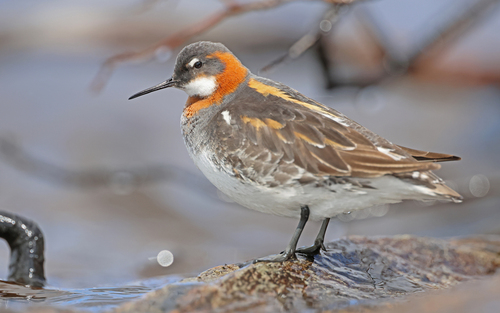 Falaropo beccosottile
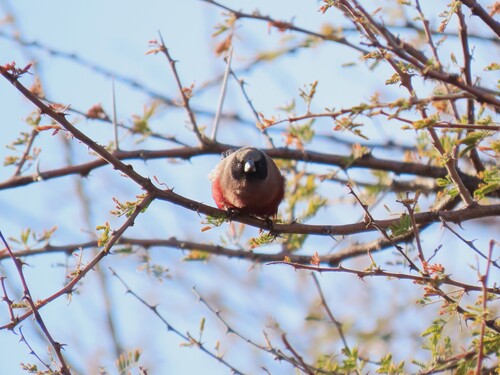 Black-faced Waxbill
In breve
Il Falaropo beccosottile e il Black-faced Waxbill si distinguono facilmente per i loro habitat e il piumaggio. Il faraope è un uccello pelagico con un becco snodato e macchie nere pirata sugli occhi, mentre il waxbill è un uccello terrestre con un distintivo volto nero e fianchi rossi.
Consigli di identificazione
- Habitat: Cerca i Falaropi beccosottile in ambienti marini; i Black-faced Waxbill si trovano sulla terra.
- Plumage: Nota le macchie nere sugli occhi del faraope e il volto nero con fianchi rossi del waxbill.
- Behavior: Osserva il comportamento di alimentazione a spirale del faraope.
Taglia
Il Black-faced Waxbill è più piccolo, misurando 11–12 cm, rispetto al corpo più snodato ed allungato del Falaropo beccosottile.
Piumaggio
Il Falaropo beccosottile ha un corpo per lo più bianco con mantelli grigi e macchie nere sugli occhi, mentre il Black-faced Waxbill presenta un volto nero, parti superiori grigio-marroni con una sfumatura rosata e fianchi rossi profondi.
Comportamento
I Falaropi beccosottile sono noti per girare in cerchio sull'acqua per alimentarsi, un comportamento non osservato nei Black-faced Waxbill.
Habitat
I Falaropi beccosottile sono pelagici, spesso trovati in fronti oceanografici, mentre i Black-faced Waxbill abitano ambienti terrestri.
Voce
Il Black-faced Waxbill ha un richiamo acuto 'tip-tip' e una canzone fischiata 'tee', mentre non è stata notata alcuna vocalizzazione specifica per il Falaropo beccosottile.
Falaropo beccosottile · Black-faced Waxbill · I miei uccelli difficili