
pisa-n’água-de-pescoço-vermelho vs black-faced waxbill
Phalaropus lobatus versus Brunhilda erythronotos
Jogue um quiz com pisa-n’água-de-pescoço-vermelho e black-faced waxbill
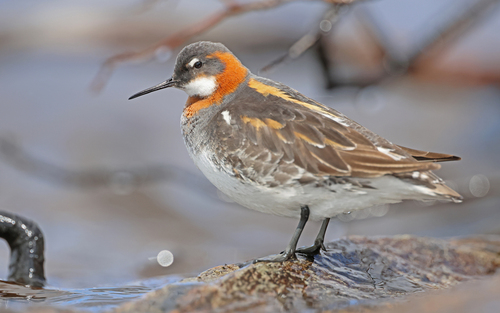 pisa-n’água-de-pescoço-vermelho
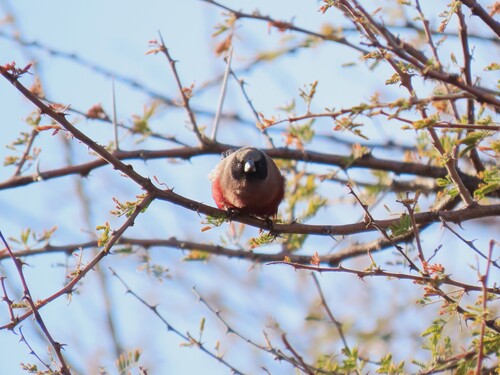 black-faced waxbill
Em resumo
A pisa-n’água-de-pescoço-vermelho e o black-faced waxbill são facilmente distinguidos por seus habitats e plumagens. A pisa-n’água é uma ave pelágica com um bico esguio e manchas pretas piratas ao redor dos olhos, enquanto o black-faced waxbill é uma ave terrestre com um rosto preto distinto e flancos vermelhos.
Dicas de identificação
- Habitat: Procure por pisa-n’água-de-pescoço-vermelho em ambientes marinhos; black-faced waxbills são encontrados em terra.
- Plumagem: Note as manchas pretas ao redor dos olhos da pisa-n’água e o rosto preto com flancos vermelhos do black-faced waxbill.
- Comportamento: Observe o comportamento de alimentação giratória da pisa-n’água.
Tamanho
O black-faced waxbill é menor, medindo 11–12 cm, em comparação com o corpo mais esguio e alongado da pisa-n’água-de-pescoço-vermelho.
Plumagem
A pisa-n’água-de-pescoço-vermelho tem um corpo em grande parte branco com mantos cinza e manchas pretas ao redor dos olhos, enquanto o black-faced waxbill apresenta um rosto preto, partes superiores cinza-claras com um tom rosado e flancos vermelhos profundos.
Comportamento
As pisa-n’água-de-pescoço-vermelho são conhecidas por girar em círculos na água para se alimentar, um comportamento não observado em black-faced waxbills.
Habitat
As pisa-n’água-de-pescoço-vermelho são pelágicas, frequentemente encontradas em frentes oceanográficas, enquanto os black-faced waxbills habitam ambientes terrestres.
Voz
O black-faced waxbill tem um chamado agudo 'tip-tip' e uma canção assobiada 'tee', enquanto não há vocalização específica notada para a pisa-n’água-de-pescoço-vermelho.
pisa-n’água-de-pescoço-vermelho · black-faced waxbill · Minhas aves difíceis