
picapauzinho-barrado vs picapauzinho-carijó
Picumnus cirratus versus Picumnus nebulosus
Jogue um quiz com picapauzinho-barrado e picapauzinho-carijó
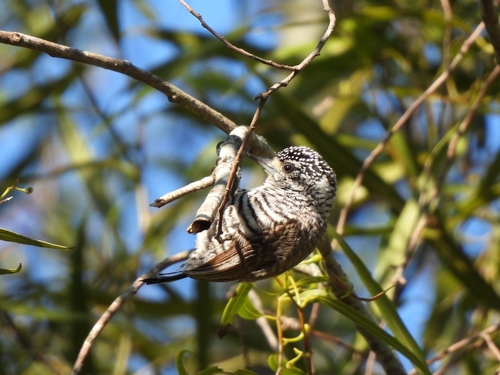 picapauzinho-barrado
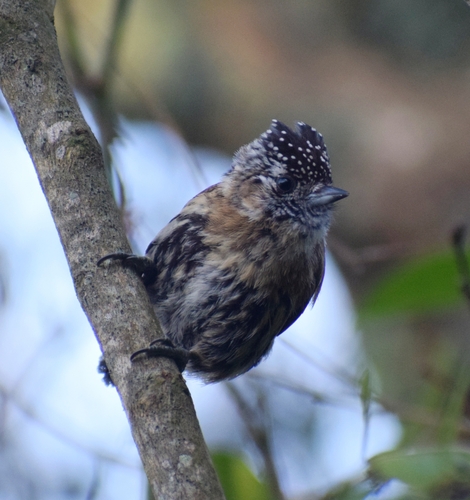 picapauzinho-carijó
Em resumo
Os picapauzinhos-barrados juvenis mostram uma barragem mais pesada acima e abaixo, enquanto os picapauzinhos-carijós juvenis têm uma coroa marrom opaca com estrias pálidas e menos contraste no geral. Para os adultos, concentre-se nas partes inferiores: o picapauzinho-barrado tem uma barragem branca e preta ousada abaixo, enquanto o picapauzinho-carijó tem uma barriga e flancos amarelados e estriados. Ambas as espécies compartilham uma touca preta com uma mancha vermelha na testa nos machos, mas as tonalidades do rosto e das partes superiores diferem sutilmente. Na área de sobreposição, a atenção cuidadosa ao padrão das partes inferiores e à cor do rosto é a separação de campo mais confiável.
Dicas de identificação
- Partes superiores juvenis: Os picapauzinhos-barrados juvenis mostram uma barragem óbvia nas partes superiores e uma barragem mais pesada abaixo, enquanto os picapauzinhos-carijós juvenis têm uma coroa marrom opaca com estrias pálidas e uma barragem menos distinta. Use isso para aves que não têm o padrão de touca adulto.
- Padrão das partes inferiores adultas: O picapauzinho-barrado (todas as subespécies) mostra uma barragem preta ousada nas partes inferiores brancas, às vezes com um tom amarelado. O picapauzinho-carijó tem partes inferiores marrons amareladas com estrias escuras ou largas estrias escuras nos flancos, não uma barragem nítida. Este é o melhor marcador de campo para adultos.
- Cor do rosto: O rosto do picapauzinho-barrado é marrom amarelado escuro com barras pretas fracas e uma faixa branca atrás do olho (na nominada), enquanto o rosto do picapauzinho-carijó é marrom-oliva mais escuro com um pouco de branco, mas não tem uma faixa pós-ocular clara. Subespécies de picapauzinho-barrado podem não ter a faixa branca, então isso é um suporte, mas não definitivo.
- Tonalidade das partes superiores: O picapauzinho-barrado tem partes superiores marrons ou acinzentadas opacas (às vezes levemente barradas), enquanto o picapauzinho-carijó é marrom-oliva mais quente com um tom amarelado ou avermelhado. Isso é sutil e melhor utilizado em boa luz.
- Padrão da cauda: Ambos têm caudas escuras com branco nas teias internas das penas mais internas e marcas brancas nos pares externos, mas a cauda do picapauzinho-carijó é preta (não marrom) e o branco é uma estria na teia externa dos três pares externos. Este é um ponto menor, mas pode ajudar em vistas próximas.
- Padrão da touca (adultos): Machos de ambas as espécies têm uma touca preta com uma mancha vermelha na testa e manchas brancas em outros lugares; as fêmeas não têm o vermelho. Isso não é um separador entre os dois.
- Confusão de subespécies: Algumas subespécies de picapauzinho-barrado (por exemplo, P. c. tucumanus, P. c. pilcomayensis) têm menos vermelho na coroa e mais tons acinzentados ou amarelados, que podem se assemelhar ao picapauzinho-carijó em cor, mas não no padrão das partes inferiores.
- Tamanho e estrutura: Ambas as espécies são quase idênticas em tamanho e estrutura. Não confie no tamanho ou na forma do bico para separação.
- Vocalizações: Se você ouvir um 'seep' ou 'cheep' repetitivo ou um assobio de alarme semelhante a um grilo, você provavelmente está ouvindo o picapauzinho-carijó. A falta de vocalização não é diagnóstica.
- Distribuição: Se estiver fora da Argentina, Brasil ou Uruguai, você está quase certamente vendo o picapauzinho-barrado. Dentro da zona de sobreposição, use a plumagem.
- Diferenças de sexo: Em ambas as espécies, apenas os machos têm vermelho na testa; as fêmeas têm manchas brancas na touca. Isso não separa as duas espécies, mas ajuda na determinação do sexo.
- Empoleirado vs. em voo: A maioria das marcas de campo são visíveis em aves empoleiradas. Em voo, procure a extensão e o padrão da barragem das partes inferiores em comparação com as estrias, e qualquer padrão visível no rosto.
- Iluminação e desgaste: Barragens ou estrias fracas podem ser difíceis de julgar em luz fraca ou em aves desgastadas. Concentre-se na ousadia e no tipo de marcações das partes inferiores.
- Confusão de imaturos: Aves jovens de ambas as espécies são mais opacas, mas apenas o picapauzinho-barrado mostra uma barragem forte acima e abaixo em juvenis.
- Tocando: Se você observar uma batida irregular, especialmente em bambu, isso apoia o picapauzinho-carijó, mas a ausência de batida não é diagnóstica.
Tamanho
Ambas as espécies são muito semelhantes em tamanho, com o picapauzinho-barrado medindo cerca de 10 cm de comprimento e o picapauzinho-carijó de 10 a 11 cm. O picapauzinho-carijó é ligeiramente mais pesado em média (11–12 g) do que a maioria dos picapauzinhos-barrados (6,3–12 g), mas essa diferença não é visível em campo. Estrutura, forma do bico e jizz não são descritos como diferentes nas fontes disponíveis.
Plumagem
-
Juvenis: Os picapauzinhos-barrados juvenis são no geral mais opacos e escuros do que os adultos, com uma coroa sem manchas, barragens mais óbvias nas partes superiores e barragens mais pesadas nas partes inferiores. Os picapauzinhos-carijós juvenis também são mais opacos do que os adultos, mas têm uma coroa marrom opaca com estrias pálidas amareladas, sem a forte barragem dos juvenis de picapauzinho-barrado.
-
Adultos: Ambos os machos têm uma touca preta com uma mancha vermelha na testa e manchas brancas em outros lugares; as fêmeas não têm o vermelho. O picapauzinho-barrado tem um rosto predominantemente marrom amarelado escuro com barras pretas fracas e uma faixa branca pós-ocular (na nominada), partes superiores marrons opacas (às vezes levemente barradas) e partes inferiores brancas com barragens pretas ousadas e um tom amarelado. O picapauzinho-carijó tem um rosto marrom-oliva mais escuro com um pouco de branco, partes superiores quentes marrons-oliva com um tom amarelado ou avermelhado, e partes inferiores marrons amareladas com estrias escuras ou largas estrias escuras nos flancos, não a barragem nítida do picapauzinho-barrado. O padrão da cauda é semelhante: ambos têm caudas predominantemente escuras com branco nas teias internas das penas mais internas e manchas ou estrias brancas nos pares externos, mas a cauda do picapauzinho-carijó é preta (não marrom) e o branco está na teia externa dos três pares externos.
-
Variação de subespécies: O picapauzinho-barrado mostra variação subespecífica marcante na face e na barragem das partes inferiores, mas sempre tem mais barragem abaixo do que o picapauzinho-carijó. Algumas subespécies (por exemplo, P. c. tucumanus, P. c. pilcomayensis) têm vermelho reduzido na coroa e mais tons acinzentados ou amarelados, que podem se sobrepor aos tons do picapauzinho-carijó, mas não às suas partes inferiores estriadas.
Comportamento
Nenhuma diferença comportamental é descrita entre essas duas espécies nas fontes disponíveis. Ambas são pica-paus pequenos e ativos, propensos a serem vistos forrageando em pequenos galhos ou bambu, mas isso não é diagnóstico.
Habitat
Ambas as espécies se sobrepõem na Argentina, Brasil e Uruguai, mas o picapauzinho-barrado tem uma distribuição mais ampla que se estende até a Bolívia, Guiana Francesa, Guiana e Paraguai. As preferências de habitat não são detalhadas nas notas, então o contexto não é um separador confiável onde suas distribuições se sobrepõem.
Voz
Apenas a voz do picapauzinho-carijó é descrita: ele emite um 'seep' ou 'cheep' repetitivo, às vezes formando um breve trinado, e um assobio de alarme agudo, semelhante a um grilo. Ele também toca irregularmente, especialmente em bambu. Nenhum detalhe vocal é fornecido para o picapauzinho-barrado, então a voz não é um separador confiável, a menos que você ouça os chamados ou a batida descrita do picapauzinho-carijó.
picapauzinho-barrado · picapauzinho-carijó · Minhas aves difíceis